
When planning a workout routine for fat loss and cardiovascular conditioning, comparing different exercise styles is a great place to start. A common head-to-head comparison is hot yoga vs running calories burned. Running is often seen as the classic calorie-burning workout, while hot yoga offers a heated, full-body challenge. While running does burn more calories per minute due to the continuous high-impact work, hot yoga provides cardiorespiratory benefits with zero impact on your joints, along with active recovery and flexibility. Understanding the physiological differences between these two workouts can help you design a balanced routine that matches your goals. Let’s compare their calorie burn rates, joint impact, cardiovascular profiles, and recovery demands.
Hot Yoga vs. Running: Head-to-Head Comparison
Before reviewing the details, here is a quick overview of how these two workouts compare across key fitness metrics:
- Calorie Burn (per 60 min): Running burns 600 to 900 calories (at a 10 min/mile pace); Hot Yoga burns 330 to 460 calories.
- Joint Impact: Running is high-impact, straining ankles, knees, and hips; Hot Yoga is zero-impact, protecting joints.
- Primary Target: Running builds cardiovascular power and leg endurance; Hot Yoga builds core stability and balance.
- Recovery Time: Running requires 24 to 48 hours for joint and muscle recovery; Hot Yoga can act as active recovery.
1. Calorie Burn Comparison: The Metabolic Data
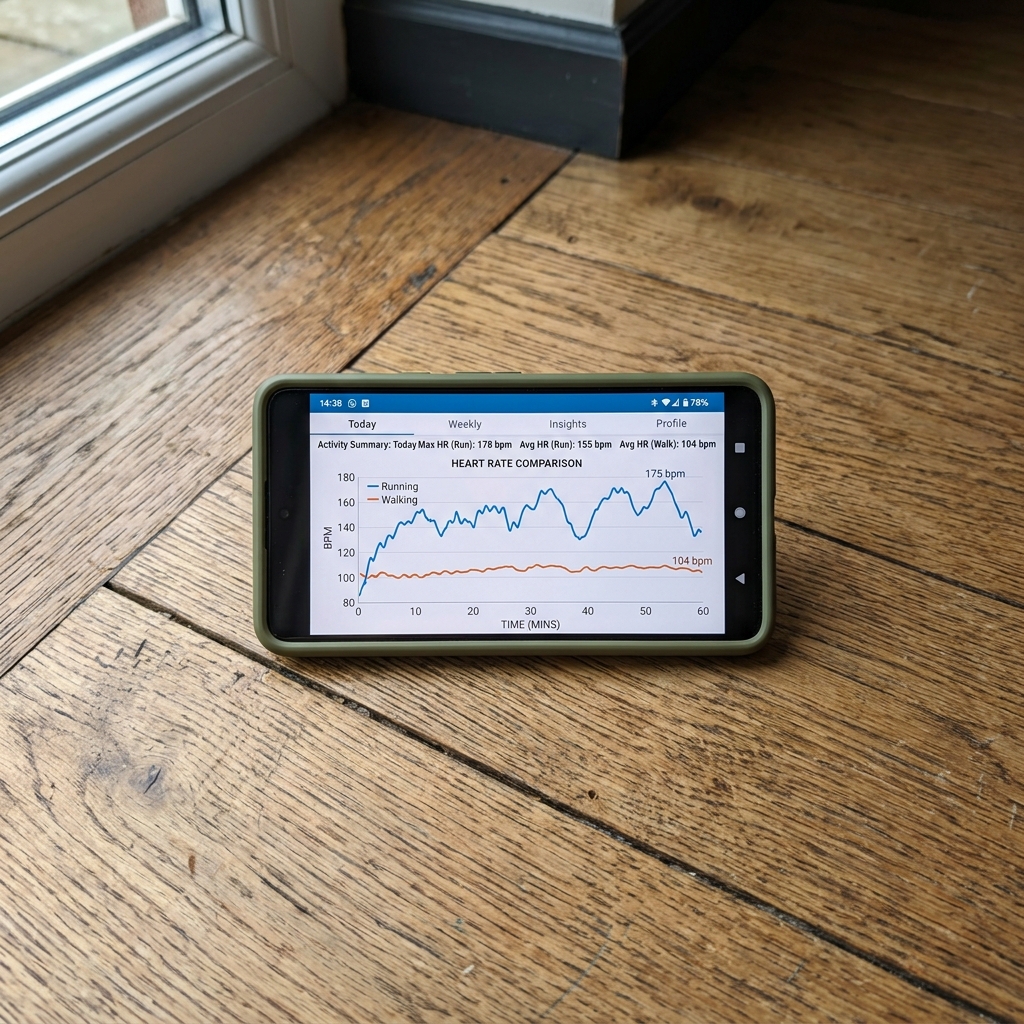
Running is a cardiovascular exercise that requires continuous movement of your entire body weight against gravity. This high-intensity work demands a large volume of oxygen, leading to a high metabolic burn rate. On average, running at a moderate pace burns roughly twice as many calories per minute as hot yoga.
Hot yoga relies on isometric holds and slow transitions in a heated room. The heat raises your heart rate, which increases cardiovascular work, but the overall oxygen consumption is lower than running. Below is a breakdown of estimated calorie expenditure for a 60-minute session based on body weight:
| Body Weight (lbs) | Running (10 min/mile pace) | Hot Vinyasa Yoga | Standard Hatha Yoga |
|---|---|---|---|
| 130 lbs | ~600 calories | ~330 calories | ~190 calories |
| 160 lbs | ~730 calories | ~410 calories | ~240 calories |
| 190 lbs | ~870 calories | ~490 calories | ~290 calories |
To see how heated yoga sculpts and defines muscle compared to high-impact cardio, see our detailed guide on whether will hot yoga get you toned.

2. Joint Impact and Long-Term Sustainability
While running burns more calories, it comes with a high physical cost. Each running stride sends a force of 3 to 4 times your body weight through your knees and ankles. Over time, this repetitive high impact can lead to shin splints, runner’s knee, and joint wear. This makes running difficult to sustain daily, especially as you age or recover from injury.
Hot yoga is a low-impact workout. It uses bodyweight resistance to strengthen joints and muscles without any impact forces. The heat increases joint lubrication (synovial fluid) and muscle elasticity, helping you access deeper stretches safely. This makes hot yoga highly sustainable for long-term practice. For more details on hot yoga’s overall efficacy, read our guide on whether is hot yoga actually effective.
3. Combining Both for Optimal Results
Instead of choosing only one, the best fitness strategy is to combine both workouts. Hot yoga acts as an exceptional active recovery tool for runners. The heat relaxes tight hamstrings, calves, and hip flexors, while the focus on balance and core stability strengthens the stabilizing muscles that prevent running injuries. A balanced weekly routine could include 2 days of running for cardiovascular power and 2 days of hot yoga for flexibility and core conditioning.
Frequently Asked Questions
Which is better for fat loss: running or hot yoga?
Running burns more calories per minute, making it highly effective for fat loss. However, hot yoga builds core strength and improves flexibility, which helps prevent injuries. Combining both is the most effective approach for long-term fat loss and body definition.
Does hot yoga have an afterburn effect (EPOC)?
Yes. Hot yoga does have a mild excess post-exercise oxygen consumption (EPOC) effect because your body must work to cool down and recover after class. However, the afterburn effect of running or high-intensity interval training (HIIT) is higher.
Is hot yoga considered a cardio workout?
Yes. The combination of heated rooms and standing sequences raises your heart rate to moderate cardio zones (60% to 70% of your maximum heart rate), providing cardiorespiratory conditioning with zero impact.
Safety Warning: Both running and hot yoga increase cardiovascular strain. Consult a physician before starting if you have heart conditions or blood pressure issues. Stay hydrated and avoid over-exertion in high heat.