
While traditional Bikram classes last for 90 minutes, the modern fitness landscape is dominated by the 60-minute format. Most studios offer 1-hour heated Vinyasa, Power Flow, or sculpt classes to fit busy schedules. If you are tracking your workouts, understanding the calories burned in hot yoga in 60 minutes can help you manage your metabolic metrics. A shorter class requires different pacing than a 90-minute session, often incorporating faster flows and more upper-body work. Let’s look at the average calorie burn for a 60-minute class, review weight-based estimation charts, and discuss the best posture choices to maximize your metabolic output.
60-Minute Hot Yoga Calorie Overview
Before diving into the details, review this quick summary of the metabolic demand of a 1-hour heated class:
- Average Calorie Range: Most practitioners burn between 330 and 460 calories in 60 minutes.
- Heart Rate Maintenance: Shorter classes allow for a continuous, active flow, keeping heart rates in target zones.
- Upper-Body Integration: Incorporating plank-to-low-plank transitions (Chaturangas) increases energy expenditure.
- Time Efficiency: A 1-hour heated class matches the calorie burn of many standard moderate-intensity gym workouts.
1. 60-Minute Calorie Estimation Chart
Your body weight is the primary variable that determines calorie burn. It takes more energy to move a larger body weight through a sequence of poses. To help you estimate your energy expenditure, we have compiled an hourly calorie burn chart based on body weight and class style:
| Body Weight (lbs) | Hot Vinyasa Flow (60 Mins) | Hot Power Yoga (60 Mins) | Gentle Hot Yin (60 Mins) |
|---|---|---|---|
| 120 lbs | ~300 calories | ~350 calories | ~150 calories |
| 140 lbs | ~350 calories | ~410 calories | ~180 calories |
| 160 lbs | ~410 calories | ~470 calories | ~200 calories |
| 180 lbs | ~460 calories | ~530 calories | ~230 calories |
| 200 lbs | ~510 calories | ~590 calories | ~250 calories |
To see how these calorie burn rates affect muscle definition and long-term body changes, read our guide on whether will hot yoga get you toned.

2. Pacing: 60-Minute Flow vs. 90-Minute Bikram
The pacing of a 60-minute class is quite different from a traditional 90-minute session. In a 90-minute class, the instructor must pace the sequence to prevent students from overheating or experiencing exhaustion. This means incorporating more rest periods and longer pauses between postures.
In a 60-minute class, the shorter duration allows for a more continuous flow. The transitions are faster, and the rest periods are shorter. This keeps your heart rate in a steady aerobic state, maximizing the calorie burn per minute. For details on how these physical demands stack up against standard recovery, check out our guide on what to eat before hot yoga.
3. Postures that Maximize Energy Expenditure
If you want to maximize your calorie burn during your 1-hour practice, focus on these compound movements that recruit large muscle groups:
- Sun Salutations (Surya Namaskar): The continuous flow from half-way lifts, high planks, Chaturanga, and upward dogs recruits the chest, shoulders, back, and core, keeping heart rates high.
- Warrior III and balancing shapes: Standing balance requires full-body stabilization, forcing your legs, glutes, and core to fire continuously.
- Chair Pose (Utkatasana) holds: Sinking deep into Chair Pose recruits the large quadriceps and glute muscle groups, demanding high metabolic energy.
Frequently Asked Questions
Is 60 minutes of hot yoga enough to lose weight?
Yes. Practicing 60 minutes of hot yoga 3 to 4 times weekly burns significant calories. When combined with a balanced, calorie-controlled diet, it is highly effective for weight loss and building core strength.
Can I practice hot yoga on an empty stomach?
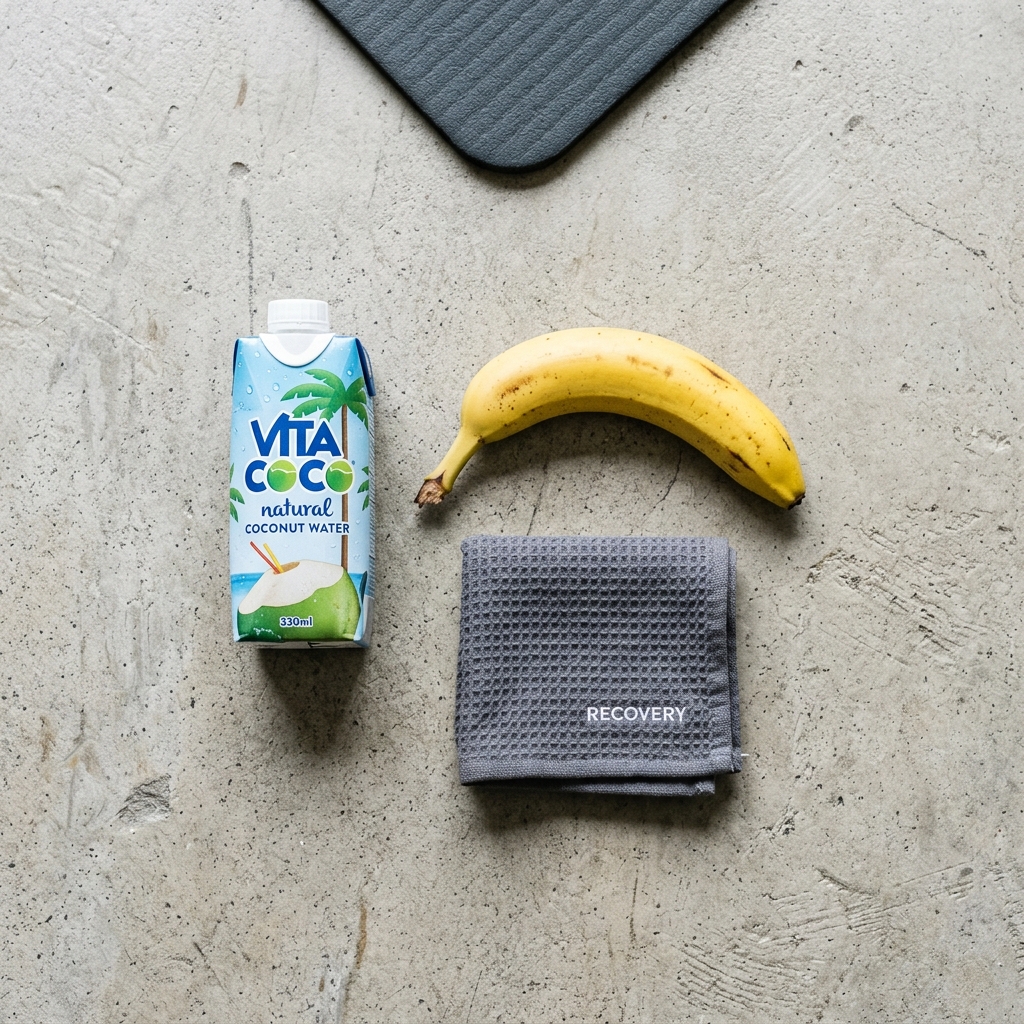
We do not recommend practicing on a completely empty stomach, as your blood sugar can drop in the heat, causing dizziness. Eat a small, easily digestible snack (like a banana or dates) 1 hour before class.
How do I calculate my exact calorie burn?
While exact numbers require a metabolic lab test, you can get a reasonable estimate by using your body weight and target heart rate zones. Subtract 20% from smartwatch estimates to account for heat-induced heart rate elevation.
Medical Disclaimer: The information in this article is for educational purposes only. Practicing in hot environments increases cardiovascular strain. Consult a physician before practicing hot yoga if you have heart conditions, blood pressure issues, or are pregnant. Exit the heated room immediately if you feel dizzy or lightheaded.