
Learn Hot Yoga: Your Complete Guide
From your very first class to advanced practice — master the science, safety, and transformative power of hot yoga with expert-led guides.
The Foundation
What Is Hot Yoga?
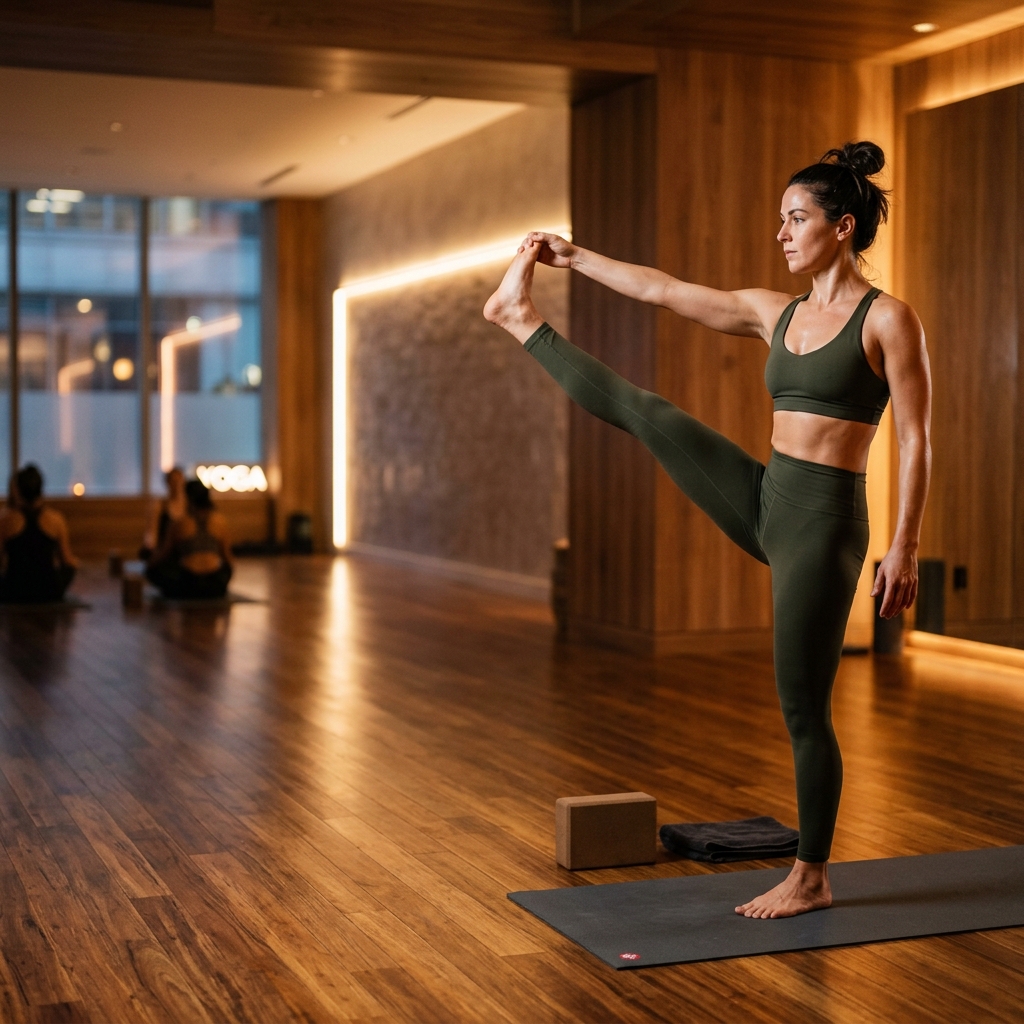
Hot yoga is practiced in a room heated to 80°F–105°F (27°C–40°C) with controlled humidity. The heat warms muscles faster, allows deeper stretching, elevates heart rate, and promotes powerful sweating.
By practicing in a heated environment, you accelerate flexibility gains safely while challenging your cardiovascular system. Whether you are aiming for recovery, strength, or mental clarity, the controlled heat and humidity elevate every posture to maximize your results.
Hot Yoga Styles Compared
| Style | Temperature | Humidity | Structure | Best For |
|---|---|---|---|---|
| Bikram Yoga | 105°F / 40°C | 40% | Fixed 26-pose sequence, always identical | Consistency & structure |
| Hot Vinyasa | 90–105°F | 40–60% | Flowing sequences, varies by instructor | Creative flow |
| Hot Power Yoga | 85–100°F | Varies | Strength-focused, dynamic movement | Building strength |
| Infrared Hot Yoga | 80–100°F | Low | Heated by infrared panels, gentler feel | Beginners & recovery |
| Hot Yin Yoga | 80–95°F | Varies | Slow, passive, deep-tissue focused | Flexibility & recovery |
Science-Backed
7 Key Benefits of Hot Yoga
Research increasingly validates what practitioners have experienced for decades. Here’s what the science shows.
Deeper Flexibility
The heat warms muscles faster, allowing safe, accelerated flexibility gains. Research shows 8-week practitioners see significantly greater improvements than room-temp yoga.
Cardiovascular Fitness
Your heart works harder in the heat, elevating to moderate-intensity cardio levels — without running a single step. Great for heart health.
Enhanced Calorie Burn
Most practitioners burn 400–600 calories in a 60-90 minute session. The combination of heat and movement significantly raises metabolic rate.
Stress Relief & Mental Clarity
Hot yoga forces present-moment focus. When it’s 105°F and you’re balancing, your mind has no room for distractions. Profound stress relief results.
Better Sleep Quality
Many regular practitioners report improved sleep. The post-class relaxation response combined with physical exertion primes your body for deeper rest.
Improved Skin Health
Deep sweating helps flush pores and boosts skin circulation. Always shower immediately after class to lock in the glow.
First Class Ready
How to Prepare for Hot Yoga
The number-one reason beginners have a bad first experience is failing to prepare properly. Follow these steps for a great first class.
Hydrate 24 Hours Before
Drink 2–3 liters of water throughout the day before class. By the time you feel thirsty in the heated room, you’re already dehydrated. Sip — don’t chug — 500ml two hours before class.
Eat a Light Meal 2–3 Hours Before
Choose easily digestible food: oatmeal, rice and vegetables, or a smoothie. Avoid heavy proteins, dairy, fried foods, and alcohol. Nothing solid 30 minutes before class.
Pack the Right Gear
Non-slip yoga mat, microfiber mat towel, large body towel, insulated water bottle with ice water, change of clothes, and flip-flops for the changing room. Avoid cotton clothing.
Arrive 15 Minutes Early
Introduce yourself to the instructor and tell them you’re a beginner. This allows them to watch out for you and offer modifications throughout the class. Set up near the door if possible.
Give Yourself Permission to Rest
It is 100% okay — and encouraged — to rest in Child’s Pose at any point. Experienced instructors expect this from beginners. It shows self-awareness, not weakness. Listen to your body.
⚠️ Know the Warning Signs
- Exit the room immediately if you experience dizziness, nausea, blurred vision, or heart palpitations
- Lie down with legs elevated and sip cool water. Inform studio staff immediately
- Consult your doctor before starting if you have heart conditions, high blood pressure, diabetes, or are pregnant
Got Questions?
Frequently Asked Questions
Yes — hot yoga studios actively welcome complete beginners. Instructors provide modifications for every pose. Always inform your instructor before class that you’re new; they’ll look out for you throughout the session.
Most hot yoga classes are heated to 80°F–105°F (27°C–40°C) with varying humidity levels. Bikram yoga is precisely 105°F at 40% humidity. Hot Vinyasa and Infrared classes typically range from 85°F–100°F.
Start with once per week for the first 2 weeks to acclimate. Increase to 2-3 times per week in weeks 3-4. Most practitioners find 3-5 sessions per week optimal for visible results.
Essentials: a non-slip yoga mat (or rent one), a microfiber mat towel, a large body towel, an insulated water bottle with ice water, and a change of clothes. Pre-hydrate for 24 hours before class.
Consult a doctor first if you are pregnant, have heart conditions, low/high blood pressure, diabetes, multiple sclerosis, or take medications that affect heat tolerance (diuretics, beta-blockers).
Yes — hot yoga can be an effective part of a weight loss plan. The calorie burn is real (400–600 per session). Consistent practice 3+ times per week combined with good nutrition produces sustainable results.
Ready to Start Your Hot Yoga Journey?
Join thousands of students who’ve transformed their health, strength, and mental clarity through the power of hot yoga.