
Stepping off your yoga mat soaking wet can make you feel like you just completed an intense workout. But this physical response leads to a common fitness misconception: does sweating burn calories, and does a sweatier workout mean you are burning more fat? While sweat is a clear indicator that your body is working to maintain its temperature, the volume of sweat you produce is not a direct measure of metabolic calorie burn. Understanding the science of thermoregulation, water weight, and fat oxidation can help you manage your expectations and protect your health. Let’s look at why your body sweats, the metabolic cost of cooling yourself, and why proper hydration is essential for performance and weight management.
Sweating vs. Calorie Burn: Quick Summary
Before diving into the science, review these key points regarding body temperature and weight loss:
- Sweating is Cooling: Sweating is your body’s cooling mechanism, not a metabolic fat-burning process.
- Water Weight Loss: Weight lost immediately after a sweaty class is temporary water loss, not fat loss.
- Minor Caloric Cost: The physical act of sweating burns a very small number of calories to pump sweat to the skin.
- Hydration Priority: Restoring fluids and electrolytes is essential for recovery and preventing muscle cramps.
1. The Physiology of Sweat and Thermoregulation
Sweat is produced by your eccrine glands when your hypothalamus detects a rise in your core body temperature. When you practice in a hot room, your body must release heat to prevent hyperthermia. It does this by directing blood flow to your skin (vasodilation) and secreting sweat, which cools your body as it evaporates.
The fluid you secrete is 99% water, along with trace amounts of sodium, potassium, and other minerals. Because sweat is mostly water, any weight reduction you see on the scale immediately after a heated class is temporary water loss. Once you drink a glass of water, that weight is restored. Here is a comparison of water weight loss vs. actual fat oxidation:
| Weight Loss Metric | Source of Loss | Timeframe to Restore | Effect on Body Tone |
|---|---|---|---|
| Water Weight Loss | Dehydration / sweat glands | Immediate (after drinking fluids) | Temporary slimness; no change in fat percentage |
| Fat Oxidation | Metabolic cellular respiration | Permanent (unless in calorie surplus) | Reduces fat percentage; reveals muscle definition |
To keep your body running efficiently during these high-sweat sessions, check out our guide on what to eat before hot yoga.
2. Does the Cooling Process Burn Calories?
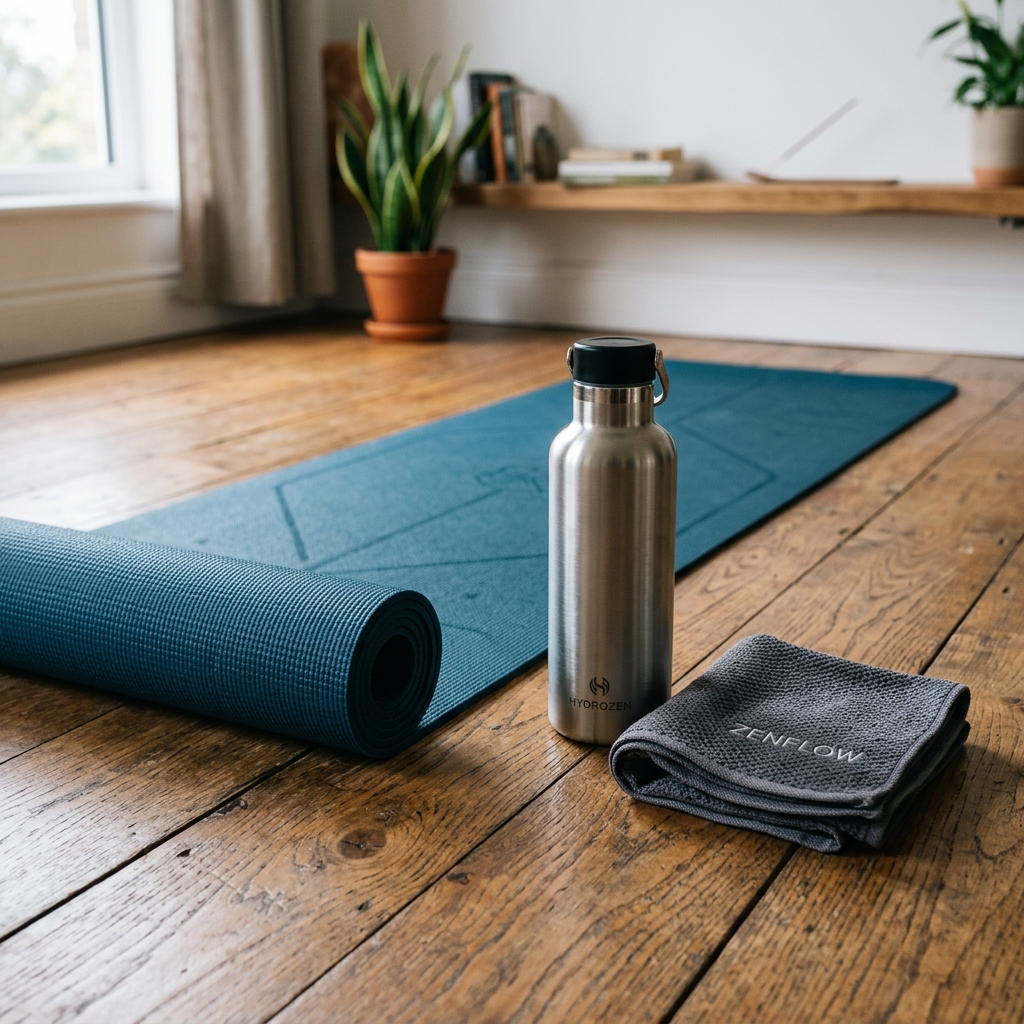
While the sweat itself is not fat, the physiological process of cooling does require some energy. When you are in a hot environment, your heart must pump blood to your skin, and your sweat glands must actively pump fluid. This increased cardiovascular effort does raise your resting metabolic rate slightly, burning a minor number of extra calories compared to working out in a cold room.
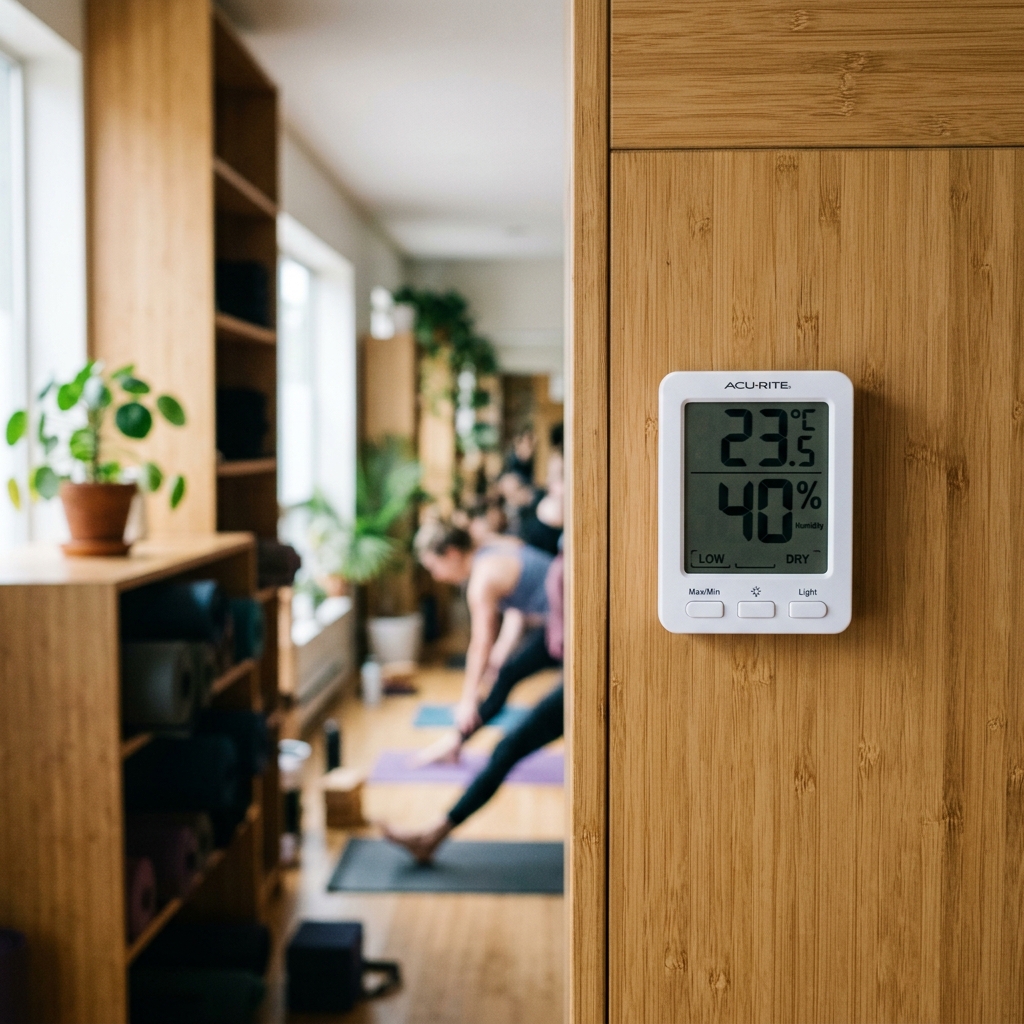
However, this extra caloric cost is very small—estimated at only 10 to 20 extra calories per hour. The primary calorie burn in hot yoga still comes from the physical work of holding and transitioning between poses. To understand how room humidity levels affect sweat evaporation and safety, see our analysis of the ideal hot yoga humidity level.
3. The Dangers of Dehydration & Forced Sweating
Attempting to force excessive sweating to lose weight is highly dangerous. Some practitioners wear heavy clothing or sweat suits in hot classes. This prevents sweat from evaporating, which stops your body from cooling itself. This can quickly lead to heat exhaustion, heat stroke, or severe electrolyte depletion.
To avoid these risks, wear light, breathable athletic clothing that allows sweat to evaporate. Drink water before, during, and after class to keep your body running safely and efficiently.
Frequently Asked Questions
Does sweating indicate a good workout?
Sweating only indicates that your body temperature has risen and it is trying to cool itself. You can sweat heavily sitting in a sauna without doing any muscular work, which burns very few calories compared to active movement.
Can dehydration slow down weight loss?
Yes. Chronic dehydration reduces your physical endurance, making your workouts less effective. Furthermore, water is required for lipolysis—the metabolic process of breaking down fat cells for energy. Dehydration can slow down your metabolism.
How much water should I drink to replace sweat?
A good rule of thumb is to drink 16 to 24 ounces of water for every pound of body weight lost during class. Consuming electrolytes with water is recommended to replace lost sodium and potassium.
Medical Disclaimer: The information in this article is for educational purposes only. Practicing in hot environments increases cardiovascular strain and dehydration risk. Consult a physician before practicing hot yoga if you have heart conditions, blood pressure issues, or are pregnant.