
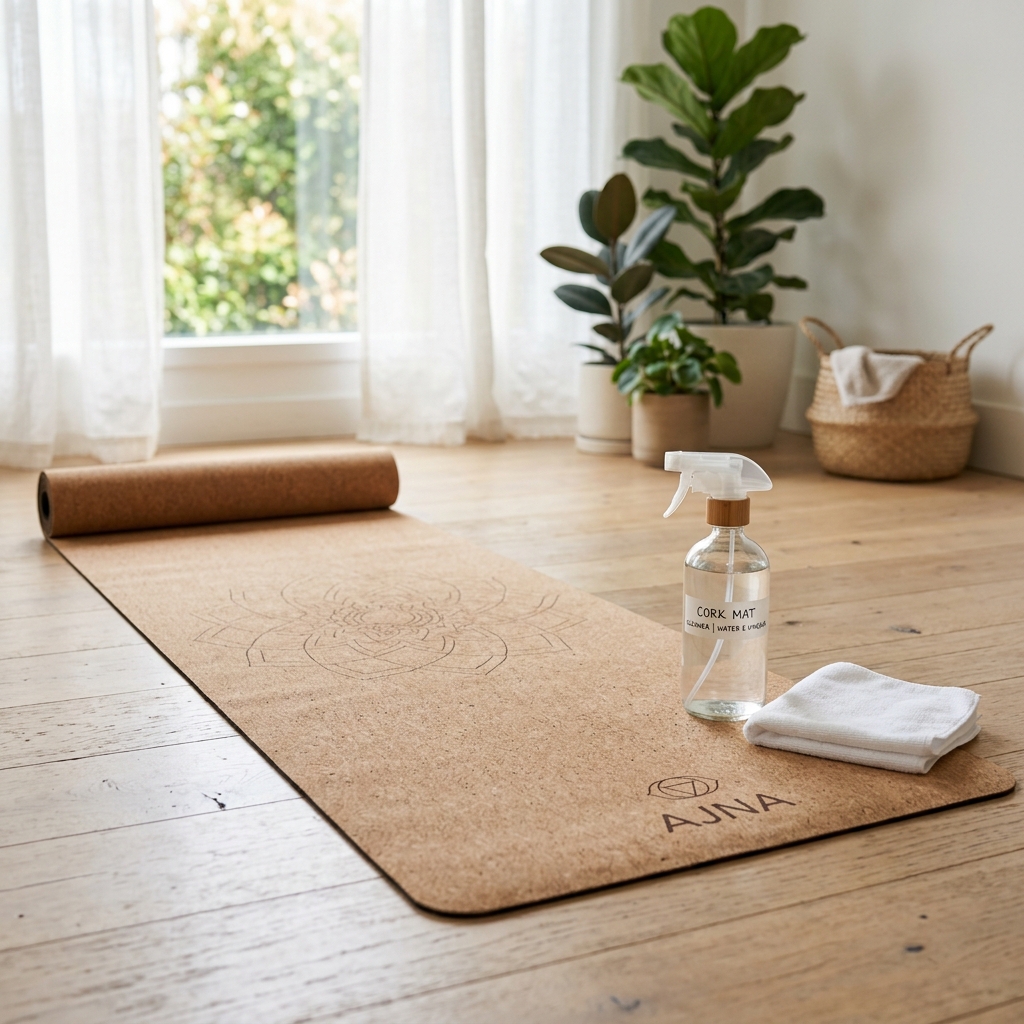
How to Clean a Cork Yoga Mat: Keep It Fresh and Grippy
Practicing hot yoga is one of the most rewarding ways to build strength, flexibility, and mental endurance. However, the intense heat and sweat generated in a 105°F studio room place extreme demands on your gear. While traditional rubber mats often become slick and slippery when wet, cork yoga mats have surged in popularity because they do the exact opposite: their traction actually improves as they get damp. But if you want to maintain that premium performance and prevent odor buildup, learning how to clean a cork yoga mat properly is absolutely essential.
Unlike synthetic mats made of PVC, TPE, or open-cell polyurethane, cork is a natural, living material with unique cell structures. It contains suberin—a waxy substance that acts as a natural barrier against water, mold, and bacteria. But while cork is naturally antimicrobial and self-cleaning to a degree, it is not completely self-sanitizing. Sweat, skin cells, makeup, and body oils will eventually accumulate on the surface, clogging the natural pores and reducing the mat’s signature grip. In this comprehensive guide, we will walk you through a damage-free cleaning routine, provide a safe homemade sanitizing recipe, and outline the critical mistakes you must avoid to keep your cork mat fresh and grippy for years to come.
The Science of Cork: Why It is the Ultimate Hot Yoga Surface
To understand why cork requires specific care, we must first look at the science behind this incredible material. Cork is harvested from the bark of the Cork Oak tree (Quercus suber), which grows primarily in the Mediterranean basin. The harvesting process is entirely sustainable, as the bark is carefully stripped away every nine years without harming the tree itself, which continues to absorb carbon dioxide and regenerate.
Suberin: The Secret Weapon Against Bacteria
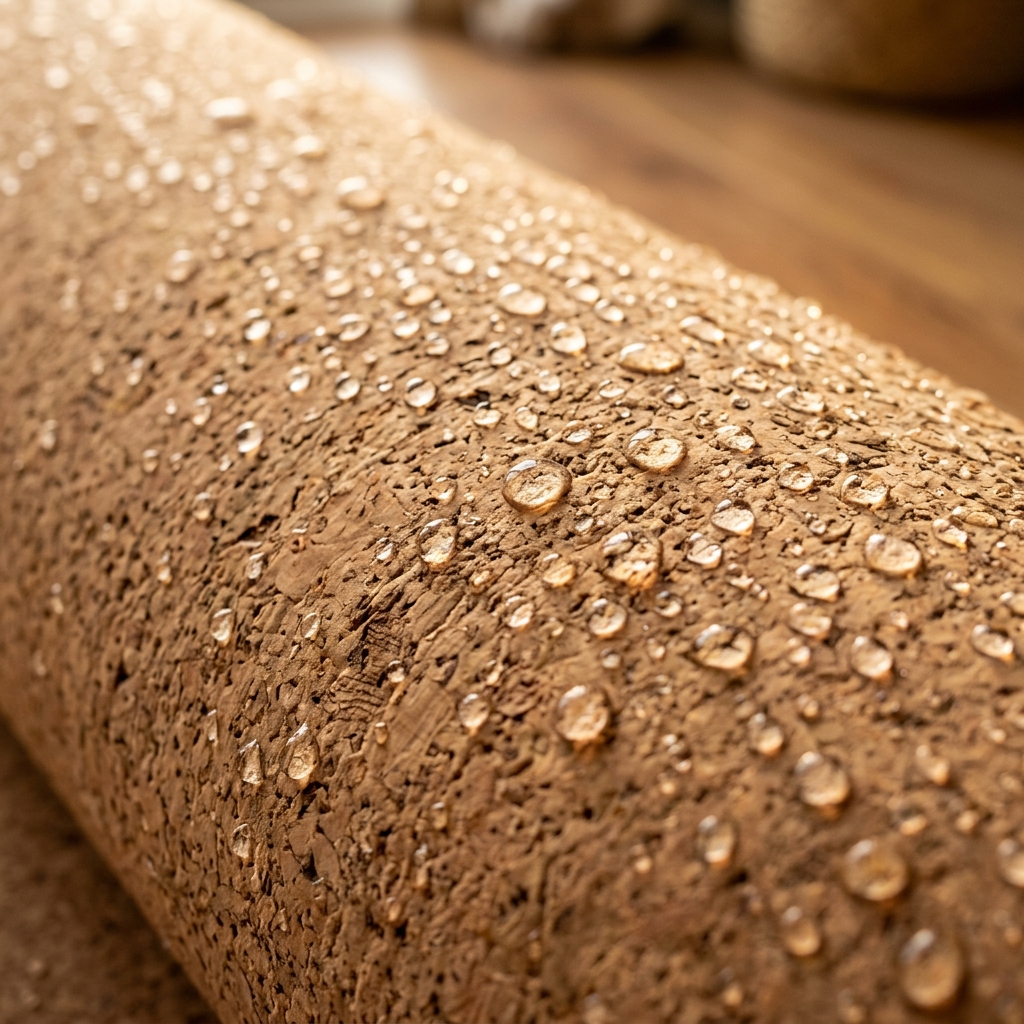
At a microscopic level, cork is composed of a honeycomb-like network of dead cells filled with air. The walls of these cells are coated with a waxy, hydrophobic substance called suberin. Suberin makes cork highly resistant to moisture penetration. Because moisture cannot soak deep into the cork layer, bacteria, mold, and mildew have nowhere to hide, breed, or multiply. This is a massive contrast to open-cell synthetic mats, which act like sponges, absorbing sweat and holding onto bad odors. If you have ever noticed that a studio smells a bit stale, it is often due to bacteria trapped inside synthetic gear. For more tips on studio hygiene, check out our guide on how to keep a hot yoga room smelling fresh.
How Sweat Actually Improves Your Cork Mat’s Grip
For most yogas, sweat is the enemy of stability. But cork works differently. The cellular structure of cork contains microscopic air pockets that function like miniature suction cups when they contact moisture. When you start to sweat during a challenging vinyasa sequence, the small amount of moisture reacts with the cork, expanding the cells and significantly increasing traction. This is why cork is widely considered the gold standard for high-sweat environments, matching or even exceeding the performance of premium rubber options like the Manduka PRO Yoga Mat or the innovative Stakt Foldable Yoga Mat Pro. However, if those cellular pores become coated in oils, makeup, and dead skin cells, the suction effect is blocked, and the mat will begin to slide. That is why a consistent cleaning routine is critical.
Why You Need a Dedicated Cleaning Routine
It is a common misconception that because cork is antimicrobial, it never needs to be cleaned. While it is true that bacteria won’t breed on cork as easily as on synthetic materials, the surface still gets dirty. Think of your cork mat like a premium wooden cutting board: it has natural antibacterial properties, but you still need to wash it after use to remove food debris and oils.
During a single session in a heated room (with temperature and moisture balanced as detailed in our guide on hot yoga humidity level), you lose significant amounts of sweat. This sweat contains water, salts, urea, and trace body oils. In addition, dust from the floor and oils from your hands and feet transfer directly onto the mat. If left uncleaned, these substances dry into a thin, invisible film. This film clogs the cork texture, causing the mat to lose its slip-resistant qualities and eventually develop a faint sour smell. Cleaning your mat regularly dissolves this film and restores the cork’s natural traction.
How to Clean a Cork Yoga Mat: A Damage-Free Step-by-Step Guide
Cleaning a cork yoga mat is simple, but it requires a gentle touch. Because cork is held together by natural binders, harsh chemical cleaners and excessive scrubbing can degrade the surface, causing the cork granules to flake off. Follow this step-by-step routine to clean your mat safely.
Step 1: The Daily Wipe Down (Post-Practice)
After every yoga class, you should perform a basic wipe down. Do not wait until you get home; doing this while the mat is still warm and damp from practice is highly effective.
- Spray Gently: Lightly mist the mat with clean, cold water. If you prefer a sanitizing spray, use a highly diluted, alcohol-free cork spray (see our recipe below). Do not saturate the surface; a light mist is all that is required.
- Wipe Clean: Use a soft microfiber cloth to wipe down the surface. Wipe in long, gentle strokes from top to bottom. Pay special attention to where your hands and feet rest most frequently.
- Inspect: Look for any visible dirt or sweat stains and spot-treat them gently with the damp cloth.
Step 2: The Weekly Deep Clean
If you practice hot yoga multiple times a week, a weekly deep clean will keep your mat in peak condition. This method uses a very mild cleaning agent to break down stubborn body oils without damaging the organic cork binders.
- Prepare the Solution: In a spray bottle, mix one part organic white vinegar with three parts distilled water. You can add 2-3 drops of tea tree or lavender essential oil, but no more (essential oils are hydrophobic and can leave a slippery residue if overused).
- Apply the Spray: Spray the entire surface of the mat generously, but do not soak it. The mat should look damp, but there should be no standing puddles of liquid.
- Let It Sit: Allow the vinegar solution to sit on the cork for 1 to 2 minutes. The mild acid in the vinegar will break down oils and kill any surface microbes.
- Wipe Off: Use a clean, dry microfiber cloth to wipe the mat dry. You will notice the cloth lifting away dirt and grey residue.
- Rinse (Optional): Wipe the mat down a final time with a cloth dampened only with fresh water to remove any lingering vinegar scent.
Step 3: Proper Air Drying (The Most Critical Step)
The single most common way cork mats are ruined is through improper drying. Cork is highly resistant to water, but if you roll it up while it is still damp, you trap moisture between the cork layer and the backing material (which is usually natural rubber or TPE). This trapped moisture can degrade the adhesive bond, causing the cork to delaminate from the backing.
- Lay It Flat: Lay your mat completely flat on a clean floor or hang it over a sturdy drying rack.
- Avoid Direct Sunlight: While UV light is a natural disinfectant, drying your cork mat in direct, intense sunlight can dry out the cork cells, making them brittle and prone to cracking. It can also dry out the natural rubber backing. Dry your mat in a shaded, well-ventilated indoor space.
- Roll It Correctly: Once the mat is 100% dry to the touch, roll it up. Crucial Tip: Always roll the mat with the cork side facing outward. This prevents the cork surface from creasing or cracking over time and ensures it lies flat the next time you unroll it.
Homemade Cork Cleaning Solution Recipe
You do not need to buy expensive commercial cleaners to care for your cork mat. In fact, many commercial cleaners contain synthetic fragrances and solvents that can dissolve the natural binders in the cork. Here is a simple, cost-effective, and highly effective DIY recipe that is safe for all cork surfaces:
DIY Natural Cork Mat Cleaner:
– 3/4 Cup Distilled Water (prevents mineral buildup)
– 1/4 Cup White Vinegar (natural disinfectant and oil cutter)
– 2 Drops Tea Tree Essential Oil (antibacterial and antifungal)
– 2 Drops Lavender Essential Oil (soothing scent and antimicrobial properties)
Combine all ingredients in a clean spray bottle and shake well before each use. Store in a cool, dark place.
What to Avoid: 5 Mistakes That Will Ruin Your Cork Mat
Cork is durable, but it lacks the chemical resilience of synthetic PVC. To protect your investment, make sure you never do the following:
- Never Put It in the Washing Machine: The spin cycle and agitation will crack the cork layer and cause complete delamination.
- Avoid Dish Soap or Detergents: Soap leaves a film on cork that is extremely difficult to rinse off. This film will block the pores, making your mat slippery.
- Never Use Scrubbing Brushes or Steel Wool: Abrasive pads will scratch and wear away the thin cork veneer, leaving bald spots.
- Do Not Roll It Wet: As mentioned, rolling a wet mat traps moisture and leads to mold growth and adhesive breakdown.
- Avoid Alcohol or Bleach: Strong chemical solvents will dry out the natural cork material, leading to cracking, flaking, and rapid deterioration.
Cork vs. Rubber vs. TPE: Cleaning Comparison
To help you choose the best mat and plan your maintenance schedule, here is a quick breakdown of how cork compares to other popular yoga mat materials:
| Material Type | Primary Cleaning Method | Drying Time | Antimicrobial properties | Durability under Heat |
|---|---|---|---|---|
| Cork | Light vinegar spray + wipe | Fast (15-30 mins) | High (Natural suberin) | Excellent (Grip increases with sweat) |
| Natural Rubber | Saltwater or rubber wash | Slow (12-24 hours) | Low (Porous, holds moisture) | Good (Heavy, but can get slippery) |
| TPE / PVC | Soap and water scrub | Moderate (2-4 hours) | None (Requires sanitizers) | Poor (Can melt or stretch under heat) |
Frequently Asked Questions About Cork Mat Care
Can I use essential oils on a cork yoga mat?
Yes, but in very small quantities. Too much oil will leave a slippery residue that clogs the cork pores and ruins the grip. Stick to 2-4 drops per cup of cleaning solution, and shake the bottle well before spraying.
How often should I clean my cork mat?
If you practice hot yoga, we recommend a quick wipe down with water after every class, and a deeper vinegar spray clean once a week. For standard, non-heated yoga, a bi-weekly deep clean is usually sufficient.
Why is my new cork mat flaking?
Some minor flaking of loose cork granules is normal when the mat is brand new, especially during the first few practices. However, if the flaking is severe, it may be due to using harsh cleaners, rough scrubbing, or folding the mat instead of rolling it.
My cork mat has a vinegar smell after cleaning. How do I get rid of it?
The vinegar smell will dissipate completely as the mat dries in a well-ventilated room. If you find it bothersome, wipe the mat down with a damp cloth of plain water after the vinegar clean to rinse the surface, or add lavender oil to your spray.
Conclusion
A high-quality cork yoga mat is an investment in both your practice and the environment. By matching the natural, sustainable properties of cork with a gentle, consistent cleaning routine, you can preserve its excellent sweat-activated grip and keep it smelling fresh for many classes to come. Remember: keep it simple, avoid harsh chemicals, dry it flat, and always roll it cork-side out. We hope this guide helps you feel grounded and stable in your next hot yoga class! If you are new to heated vinyasa, be sure to check out our complete Hot Yoga for Beginners guide to prepare your body and mind for the heat.
Ready to Start Your Training?
Become a certified Hot Yoga teacher today. Explore our flexible training programs.