How to Choose the Best Hybrid Hot Yoga Teacher Training Program
Graduating as a certified hot yoga instructor opens doors to a rewarding wellness career. If you are looking to balance training with your current job, the best hybrid hot yoga teacher training programs offer the perfect solution: self-paced online lectures combined with practical, in-studio sequencing labs. In this comprehensive guide, we will explore curriculum requirements, sequencing pedagogy, and career earning potentials.
Flexible Online Curriculums & Sequencing Labs
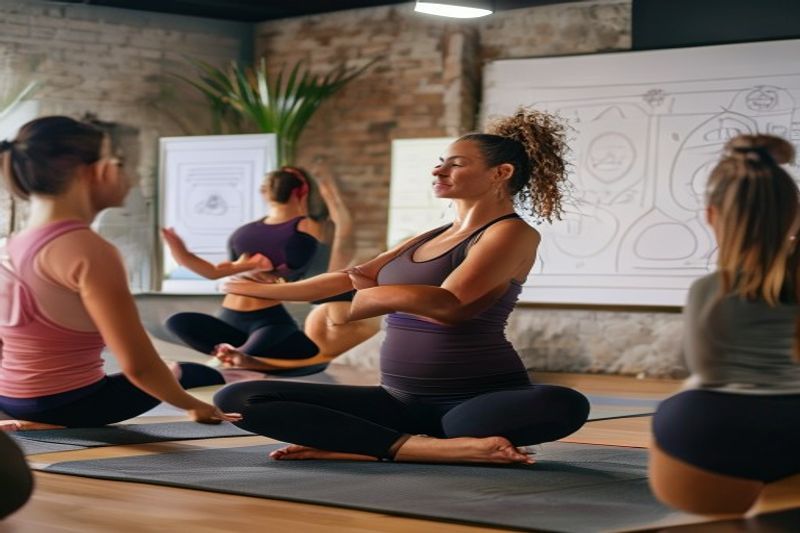
A hybrid program allows you to digest complex biomechanics, anatomy, and historical philosophy lectures at home. You can study the classic 26&2 sequencing and flowing Vinyasa templates on your own schedule, then apply this knowledge in studio labs. Physical intensives focus on vocal projection, student adjustments, and managing heated rooms safely.
The online portion of a hybrid training program typically covers the theoretical foundations of yoga. You will study musculoskeletal anatomy, biomechanics, the history of yoga, and ethical guidelines. However, theory is only half the equation. The heated sequencing labs are where you find your voice as a teacher. In these intensive sessions, you stand in front of your peers in a heated room, practicing vocal projection, posture cueing, and time management under real-world studio conditions.
Comparison: 26&2 Method vs. Vinyasa Flow Pedagogy
| Feature | 26&2 Hot Yoga Method | Hot Vinyasa Flow Pedagogy |
|---|---|---|
| Sequence Structure | Fixed. Always the same 26 postures and 2 breathing exercises. | Dynamic. Varies by class, transitioning from pose to pose. |
| Breath Style | Pranayama and Kapalabhati. Focus on holds and compressions. | Ujjayi. Continuous breath-to-movement flow. |
| Primary Focus | Therapeutic joint health, cardiovascular endurance, and discipline. | Upper body strength, creative movement, and flexibility. |
| Room Temperature | 105°F (40°C) with 40% humidity. | 95°F–98°F (35°C–37°C) with 40–60% humidity. |
10 Steps to Choosing the Best Hybrid Training
- Verify Yoga Alliance Registration: Ensure the school is a Registered Yoga School (RYS 200) to guarantee your credentials are recognized globally.
- Review the Heated Lab Hours: Look for programs that offer at least 50 hours of in-person, hands-on teaching labs in a heated studio.
- Evaluate the Anatomy Curriculum: A great program teaches functional anatomy specifically adapted for high-temperature stretching.
- Check Teacher Mentorship availability: Look for courses that provide weekly live Q&A sessions with lead facilitators during the online portion.
- Assess Sequencing Templates: Make sure you learn clear, structured sequencing templates (like the 26&2 or Vinyasa flow) that you can teach immediately upon graduation.
- Read Alumni Reviews: Look for testimonials specifically from hybrid graduates regarding their job placement rates.
- Confirm Safety Training: The curriculum must include heat safety, hydration guidelines, and heart rate monitoring protocols.
- Look for Lifetime Curriculum Access: Having lifetime access to the online learning platform allows you to review anatomy and adjustment videos as you teach.
- Check Payment Plan options: High-ticket certifications should offer flexible tuition payment plans.
- Audition Preparation: Ensure the course includes practical training on how to audition and negotiate teaching contracts at local studios.
Biomechanical Analysis: Joint Laxity and Alignment Safety
One of the most critical aspects of hot yoga teacher training is understanding the biomechanics of stretching in a heated room. When the ambient temperature is raised to 105°F, the body’s core temperature rises, leading to increased blood flow to the muscles. This increases tissue elasticity, allowing practitioners to stretch deeper than they would in a cold room. However, this increased elasticity comes with a significant risk: joint laxity.
Ligaments and tendons are designed to provide stability to the joints. Under intense heat, these connective tissues become more pliable, making it easy for students to bypass muscular engagement and hang on their joints. This passive overstretching can lead to micro-tears in the ligaments, joint instability, and chronic pain, particularly in the hamstrings, lower back, and shoulders. Hybrid teacher training programs emphasize cueing muscle co-contraction (active engagement of opposing muscle groups) to protect the joints. For example, rather than allowing students to sink passively into a low lunge, instructors learn to cue the activation of the glutes and core, ensuring the hips are supported by muscular strength rather than passive ligament strain.
Vocal Pedagogy: The Art of Cueing without Voice Fatigue
Teaching hot yoga is a highly demanding physical and vocal task. Heated studios are typically humidified and equipped with noisy heating, ventilation, and air conditioning (HVAC) systems. This environment creates acoustic challenges, forcing instructors to project their voices over the hum of the heaters. Without proper vocal training, many new teachers experience vocal strain, hoarseness, and even vocal cord nodules over time.
Vocal pedagogy in a hybrid teacher training program covers diaphragmatic voice projection, resonance, and pacing. Rather than projecting from the throat (which restricts the vocal cords and leads to fatigue), trainees are taught to breathe deeply into the diaphragm and project sound from the chest and nasal cavities. Instructors must also master the art of pausing and using vocal rhythm to command the room. In high-temperature environments, students’ cognitive function is slightly reduced due to heat load. Using concise, clear, and direct cueing—often referred to as “the dialogue”—helps students follow instructions without cognitive overload. Practicing dialogue delivery in front of a mirror and receiving real-time feedback in sequencing labs are critical for developing a powerful, fatigue-resistant voice.

The Business of Yoga: Career Paths and Revenue Streams
Earning your 200-hour certification is only the first step; understanding how to build a sustainable career is what distinguishes successful instructors. The modern wellness industry offers diverse career opportunities beyond standard studio classes. While teaching studio classes is excellent for building experience and community, relying solely on hourly class rates can limit your earning potential.
Graduates of hybrid programs are trained to diversify their income streams. This includes offering high-ticket private lessons, organizing weekend workshops on advanced postures or anatomy, leading local and international retreats, and building a digital presence. Online platforms allow you to teach students worldwide via live-streamed classes, subscription-based video-on-demand libraries, and online courses. Additionally, corporate wellness programs are a highly lucrative and growing market. Certified instructors can partner with local businesses to offer stress-reduction and mindfulness sessions to employees, building a stable monthly retainer income while helping organizations improve employee well-being.
Step-by-Step Hybrid Study Checklist
Succeeding in a hybrid yoga certification requires self-discipline. Use this checklist to stay on track:
- Set a Consistent Study Schedule: Allocate 4 to 6 hours per week for online video lectures and reading assignments.
- Practice Teaching Daily: Stand in front of a mirror and practice cued posture instructions out loud to build voice projection.
- Attend All Studio Intensives: Prioritize the practical heated labs. They are the single most important tool for overcoming teaching anxiety.
- Record Yourself Teaching: Film yourself instructing a short sequence and review the footage to identify verbal fillers, pacing issues, or postural alignment cues that need refinement.
- Engage with Your Cohort: Join the program’s online community forum or study groups to discuss anatomy concepts and share teaching experiences with fellow trainees.
Physiological Science Hook
Scientific research shows that: Accredited hybrid programs combine self-paced online anatomy and history lectures with in-person heated sequencing labs for practical mastery.. Integrating this scientific understanding into your class cues builds trust with your students and elevates your pedagogy.
Teacher Training Focus: Downward-Facing Dog (Adho Mukha Svanasana)
Trainees learn to cue shoulders rotated outward and heels pressing downward, emphasizing joint stability under heat load.
Common Mistakes Trainees Make
- Under-estimating Online Hours: Leaving the online coursework to the last minute leads to poor retention of anatomy and philosophy concepts.
- Mimicking Other Teachers: Focus on finding your own authentic voice rather than copying your trainer’s dialogue or style.
- Ignoring Vocal Care: Projecting from the throat instead of the diaphragm leads to vocal strain and hoarseness in heated rooms.
- Passive Listening: Watching online lectures without taking notes or practicing the poses physically leads to a superficial understanding of sequencing.
Frequently Asked Questions
Can I get a job with a hybrid yoga certification?
Yes. Studio owners prioritize your teaching ability, presence, and safety awareness over whether your training was hybrid or fully in-person. The key is graduating from a Yoga Alliance registered school (RYS 200) and passing your live studio audition. During your audition, show confidence, speak clearly, project your voice, and demonstrate a strong understanding of alignment and safety.
How much do hot yoga teachers make?
Certified hot yoga instructors earn between $60 and $120 per studio class, depending on experience and location. Leading specialized workshops, corporate sessions, and private classes can significantly increase your hourly earning potential. Top teachers also build online followings or host international retreats, earning substantial revenue beyond standard studio classes.
What is the difference between a 200-hour and 300-hour certification?
A 200-hour training is the foundational certification required to teach at most studios. A 300-hour course is an advanced certification that you can pursue after completing your 200-hour training, focusing on therapeutics, advanced sequencing, and anatomy. Together, they make you a 500-hour Registered Yoga Teacher (RYT 500), which opens doors to leading teacher training programs yourself.
How do I prepare my voice for teaching in the heat?
Practice diaphragmatic breathing to support your voice, and stay hydrated before class. Avoid yelling; instead, project your voice by focusing your energy and projecting sound toward the back wall of the studio. Avoid drinking ice-cold water immediately before or during class as it can constrict the vocal cords; opt for room-temperature water instead.
Is Yoga Alliance registration mandatory to teach?
While registration is not legally required, the vast majority of commercial yoga studios require instructors to be registered as an RYT 200 with Yoga Alliance. It serves as a quality assurance benchmark, proving that your training met standard requirements in anatomy, sequencing, philosophy, and teaching methodology. It is highly recommended to maintain your registration to expand your job prospects.
How long does it take to complete a hybrid RYS 200 course?
Most hybrid 200-hour teacher training programs are designed to be completed in 8 to 12 weeks. This timeline typically includes 10-15 hours of self-paced online study per week, combined with 2 or 3 weekend in-person intensives. Some programs offer extended self-paced timelines up to 6 months, allowing trainees to progress at a slower rate that fits their work or family schedules.
⚠️ Medical Disclaimer: Hot yoga teacher training is physically demanding. Consult your physician before embarking on a heated certification program, especially if you have pre-existing cardiovascular or joint conditions.
Ready to Start Your Training?
Become a certified Hot Yoga teacher today. Explore our flexible training programs.