
Practicing at home is convenient, but replicating the intense, humid heat of a commercial studio is a major technical challenge. If you want to sweat in your spare room, bedroom, or garage, you need to design a **diy home hot yoga studio** that is both effective and electrically safe. Simply turning up your home furnace will not work; central heating systems cannot reach the 105°F and 40% humidity standard without damaging your home’s walls and ceiling. Recreating this environment requires a combination of high-wattage space heaters, warm-mist humidification, proper draft sealing, and moisture-resistant flooring. Let’s look at the electrical requirements, heater selections, humidity controls, and safety protocols for home setups.
Home Hot Studio: Key Equipment Checklist
Before plugging in any equipment, ensure your room setup matches these basic specifications:
- Radiant Heaters: 1,500W to 3,000W of infrared or ceramic space heaters, depending on the room size.
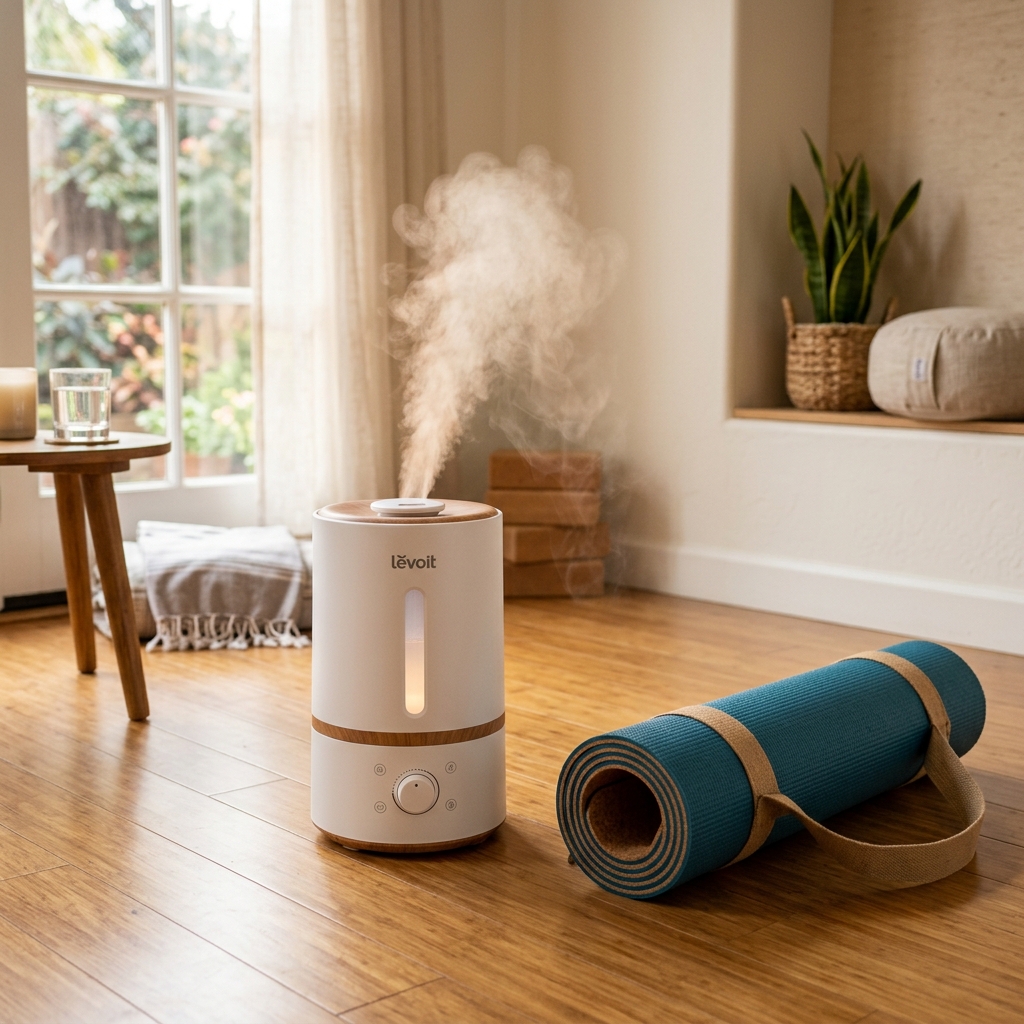
- Warm-Mist Humidifier: A 1-to-2-gallon warm-mist humidifier to maintain relative humidity between 40% and 50%.
- Dedicated Circuit: Run heaters and humidifiers on separate electrical circuits to avoid tripping breakers.
- Floor Protection: Use a moisture-resistant mat or waterproof underlayment to protect your subfloor from sweat.
1. Choosing Heaters for Your DIY Studio
Heating is the most important element of your setup. Forced-air space heaters blow hot, dry air that can make breathing uncomfortable. Instead, use radiant heat sources that warm your body directly:
| Heater Type | Average Cost | Pros | Cons |
|---|---|---|---|
| Wall-Mounted Infrared Panels | $150 – $300 | Silent; heats muscles directly; space-saving | Requires wall mounting and electrical routing |
| Ceramic Space Heaters | $40 – $80 | Portable; cheap; heats the air quickly | Noisy fan; dries out the air |
| Oil-Filled Radiators | $60 – $100 | Silent; safe; holds heat for long periods | Slow to warm up; heavy and bulky |
For large spaces or commercial setups, wall-mounted radiant heating panels are the industry standard. Read our comparison of heating technology in our guide on infrared heaters for yoga studio options.
2. Managing Humidity Without Damaging Your Home
Heat alone is not enough; humidity is what makes hot yoga sweat feel transformative. However, trapped moisture can cause mold and mildew in drywall. When running a humidifier in your diy home hot yoga studio, follow these moisture-protection steps:
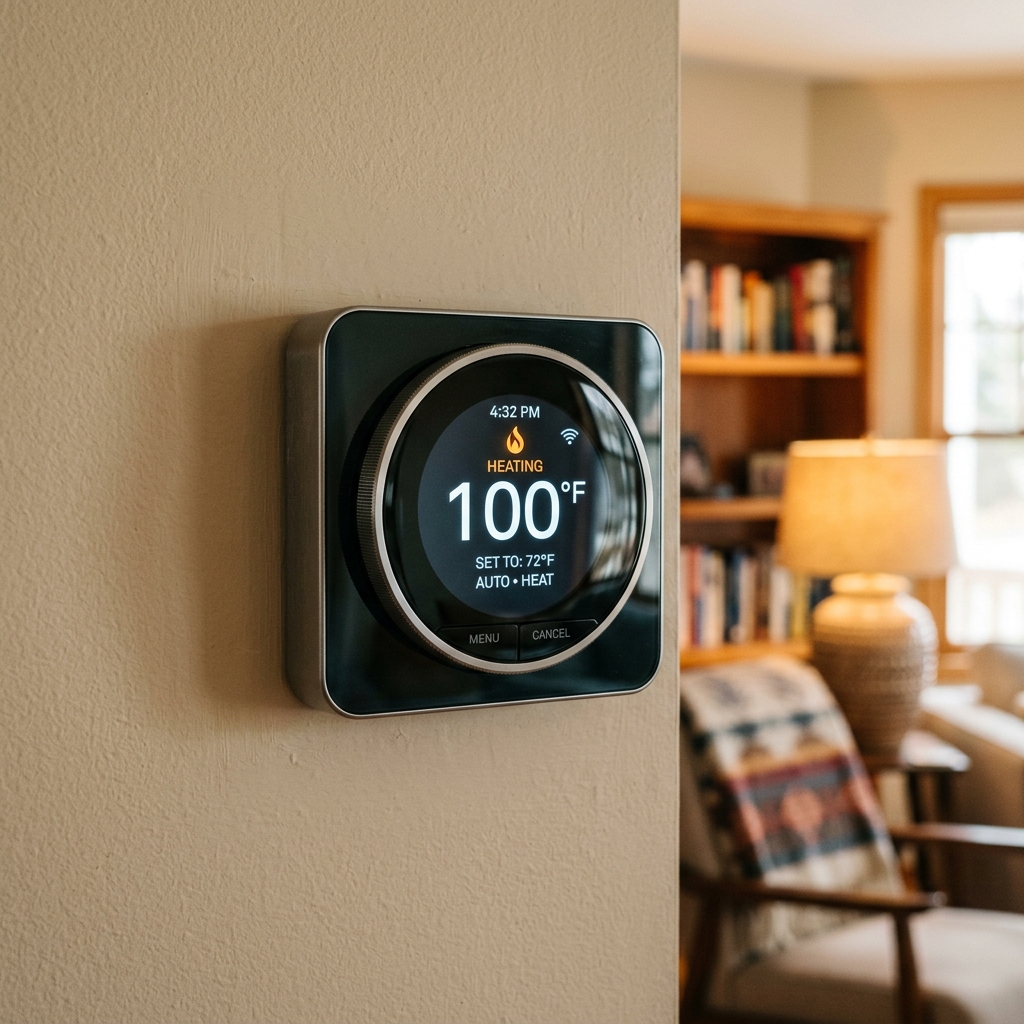
- Monitor with a Hygrometer: Keep relative humidity between 40% and 50%. Do not exceed 50%, as condensation will form on your walls. For details on tracking these numbers, see our guide on hot yoga humidity level parameters.
- Seal the Room: Place draft stoppers under doors and seal windows with plastic shrink-wrap to trap heat and humidity.
- Post-Practice Ventilation: Open a window or turn on a bathroom exhaust fan immediately after your practice to clear moisture from the room.
3. Electrical Safety and Circuit Overloads
A standard home electrical circuit is rated for 15 Amps, which supports a maximum load of 1,800 Watts. If you plug a 1,500W space heater and a 400W humidifier into the same outlet circuit, you will trip the circuit breaker. To prevent this, plug your humidifier into an outlet on a separate circuit (e.g., from an adjacent hallway or bathroom), or upgrade to a dedicated 20-Amp circuit for your yoga room. Never use thin extension cords; always plug high-wattage heaters directly into the wall outlet.
Frequently Asked Questions
Can I practice hot yoga in a carpeted room?
We do not recommend it. Carpet absorbs sweat, leading to odors and bacterial growth. If your room is carpeted, lay down a waterproof interlocking foam floor or a heavy-duty waterproof tarp under your mat to protect the carpet.
How long does it take to heat a home yoga room?
It typically takes 30 to 45 minutes to heat a standard 10×10 room using two 1,500W heaters. Turn on your heaters and humidifier together to build both heat and moisture before starting your practice.
Are infrared panels safe for home use?
Yes. Infrared heating panels are highly safe and energy-efficient. They emit far-infrared light that penetrates muscles directly without warming the air to uncomfortable levels, making them a premium addition to any home setup.
Safety Warning: Hot yoga home practice increases cardiovascular strain. Always check your heaters for dust, keep cords away from walkways, and never leave space heaters unattended. Consult a doctor before practicing in hot environments if you have heart conditions or are pregnant.