Accredited Online Hot Yoga Teacher Training: Best Programs & Certification Guide
Making the decision to transition from a dedicated hot room practitioner to an instructor is an exciting step. But for many busy professionals, parents, or those living far from major cities, attending a multi-week, in-person training program isn’t feasible. This has led to a massive rise in remote education. However, the online space is flooded with unverified courses, making it vital to find a legitimate, accredited online hot yoga teacher training program. In our fifteen years of running hot yoga studios and hiring teaching staff, we have evaluated dozens of certifications. We know exactly which online programs prepare you to command a heated room and which ones are simply digital money-grabs. Let’s break down the accreditation standards, program selection criteria, and how to verify if an online course is worth your time and investment.
Key Takeaways: Quick Online YTT Reference
Before enrolling, use this quick checklist to verify the legitimacy of any online hot yoga certification program:
- Yoga Alliance Registered: Must be a Registered Yoga School (RYS) offering RYT-200 compatibility.
- Heat Physiology Module: Training must include dedicated hours on thermoregulation and cardiovascular safety.
- Interactive Practice Teaching: Programs must require video submissions or live-streamed peer teaching sessions.
- Post-Graduation Support: Look for programs offering audition prep and resume reviews.
1. What Makes an Online Hot Yoga YTT “Accredited”?
In the yoga industry, there is no centralized government licensing body. Instead, accreditation is managed by non-profit registries, the most prominent being the **Yoga Alliance**. To ensure your certificate is recognized by studio owners worldwide, your program must be registered as a Registered Yoga School (RYS). When evaluating an accredited online hot yoga teacher training program, confirm it meets the following standards:
| Accreditation Feature | Standard Online YTT | Accredited Hot YTT Hybrid |
|---|---|---|
| Registry Recognition | Yoga Alliance RYS-200 eligible | RYS-200 plus specialized heated room modules |
| Anatomy Hours | General musculoskeletal anatomy | Heat acclimatization, cardiovascular strain, hydration science |
| Practice Teaching | Recorded self-practice videos | Live online peer coaching and interactive cueing labs |
| Dialogue Command | Creative cueing workshops | Strict dialogue templates (e.g. 26&2 or structured hot flow) |
While you study the foundations of yoga history and general sequencing online, you must make sure the program includes specific modules tailored to the unique environment of a heated studio. For more details on the baseline certification process, read our comprehensive guide on how to get certified to teach hot yoga.

2. Traditional 26&2 vs. Accredited Hot Flow Programs
Online hot yoga teacher training generally splits into two pathways. Select the one that aligns with your preferred style of teaching:
- 26&2 Fixed Sequence (Bikram Method): These programs focus heavily on memorization and precise technical dialogue. Because the posture sequence is fixed, online programs can easily evaluate your teaching by having you submit videos of yourself reciting the script.
- Hot Vinyasa / Power Flow: These programs are more creative, focusing on linking movement with breath in a heated room (95°F to 98°F). The training requires a deeper understanding of transition safety and structural adjustments.
Regardless of the track, the online curriculum must cover the core responsibilities of a hot yoga teacher, including studio climate control, fresh air ventilation management, and heat illness first aid.

3. The Hidden Challenge: Mastering the Heat Remotely
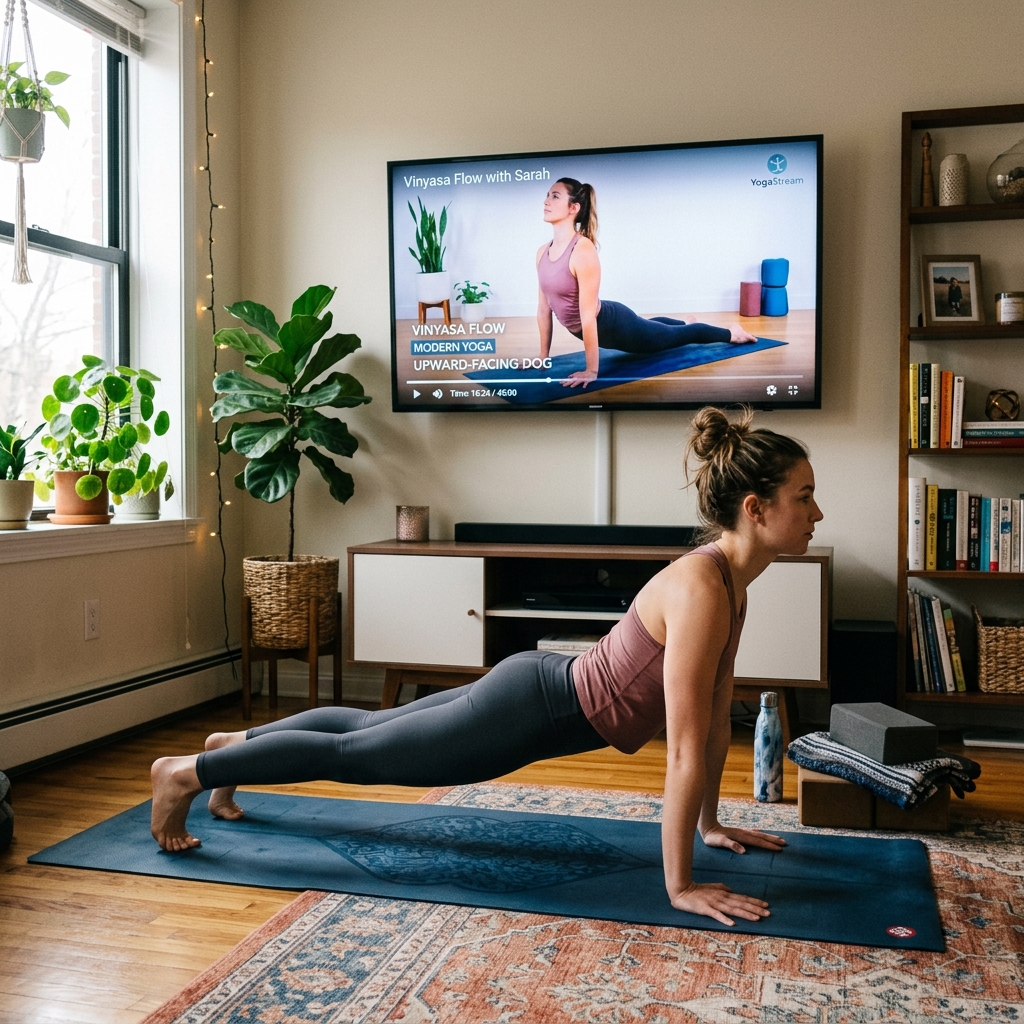
The primary critique of online teacher training is the lack of a heated environment during study. If you are training from your air-conditioned living room, you are missing a critical physiological element. To bridge this gap, we advise online trainees to:
- Acclimatize Locally: Continue taking 3 to 4 classes per week at a local commercial hot studio to maintain your heat tolerance.
- Apply Dialogue in the Heat: Rent a local heated practice room or practice reciting your posture cues during your personal hot yoga sessions.
- Study Humidity Mechanics: Pay close attention to how humidity affects sweat evaporation, as detailed in our environmental guides.
Frequently Asked Questions
Will commercial studios hire teachers with online-only YTT certifications?
Yes, provided the certification is accredited by the Yoga Alliance and you can pass a live studio audition. Studio owners care far more about your presence, vocal clarity, and safety knowledge during the audition than where you went to school.
How long does it take to complete an online hot yoga teacher training?
Most accredited online YTT programs are self-paced, taking anywhere from **8 weeks to 6 months** to complete. We recommend dedicating 10 to 15 hours per week to lecture study, practice teaching, and anatomical reading.
Can I teach hot yoga internationally with an online certification?
Yes. As long as your training program registry is recognized globally (such as Yoga Alliance USA or Yoga Alliance Professionals UK), your RYT-200 certification is valid worldwide, allowing you to teach in studios from London to Tokyo.
Is a hybrid training program better than a 100% online program?
Yes. A hybrid program (online lectures combined with a 3-to-5 day in-person hot-room immersion) is the gold standard. It gives you the convenience of remote learning alongside the critical experience of managing real people in a heated environment.
Medical Disclaimer: The information in this article is for educational and informational purposes only. Practicing hot yoga increases cardiovascular strain and core temperature. Consult a medical professional before starting home hot yoga if you have heart conditions, blood pressure issues, autonomic nervous disorders, or if you are pregnant. Exit the heated room immediately if you experience dizziness, nausea, or lightheadedness.