
How to Wash a Hot Yoga Towel: The Complete Care Guide
In our studios, we manage the daily reality of back-to-back 105°F classes, which means we see hundreds of sweat-soaked yoga towels every single week. We’ve found that the single biggest mistake students and instructors make is using improper cleaning methods that ruin their gear’s performance. When a premium towel starts to slide during practice, it is rarely a manufacturing defect; instead, it is almost always due to fabric softeners or excessive heat building up a slick coating on the fibers. Understanding how to wash a hot yoga towel properly is critical to preserving its dry-grip performance, maintaining its hygiene, and ensuring you do not waste money replacing gear prematurely. In this veteran studio guide, we’ll share the exact laundry protocols we use to keep microfiber and silicone-nubbed towels in peak condition for years.
Microfiber towels are highly advanced pieces of athletic equipment. Unlike standard cotton towels, which feature relatively simple, thick fibers, microfiber is made from ultra-fine strands of polyester and nylon split to be dozens of times thinner than a human hair. These split fibers create millions of tiny channels that pull sweat away from your skin through capillary action. However, this same high-tech structure makes microfiber highly susceptible to clogging. When you wash a towel with commercial softeners, heavy detergents, or lint-producing items, these channels become filled with chemical residues and loose fibers, rendering the towel slick and non-absorbent. Let’s break down the optimal care routines to prevent this and keep your towel working like new.
1. The Golden Rules of Hot Yoga Towel Laundry
To successfully master how to wash a hot yoga towel, there are four rules you must never break. Following these simple steps will ensure your towel continues to lock onto your mat and hands during class:
Rule 1: Never Use Fabric Softeners or Dryer Sheets
Fabric softeners work by depositing a thin, slick layer of silicone or chemical lubrication over the fibers of your laundry to make them feel soft. While this is great for cotton bath sheets, it is absolute poison for microfiber. This coating clogs the micro-channels, completely blocking capillary absorption and making the fabric extremely slippery. The same warning applies to dryer sheets, which transfer wax-like softeners onto the fabric via heat.
Rule 2: Wash Separately from Cotton
Never throw your microfiber towels in the washing machine with cotton t-shirts, bath towels, or denim. Cotton sheds a massive amount of lint during a wash cycle. Microfiber acts like a lint magnet, trapping these tiny cotton fibers inside its weave. Once stuffed with cotton lint, your yoga towel will lose its grip and begin pilling.
Rule 3: Use the Right Amount of Mild Liquid Detergent
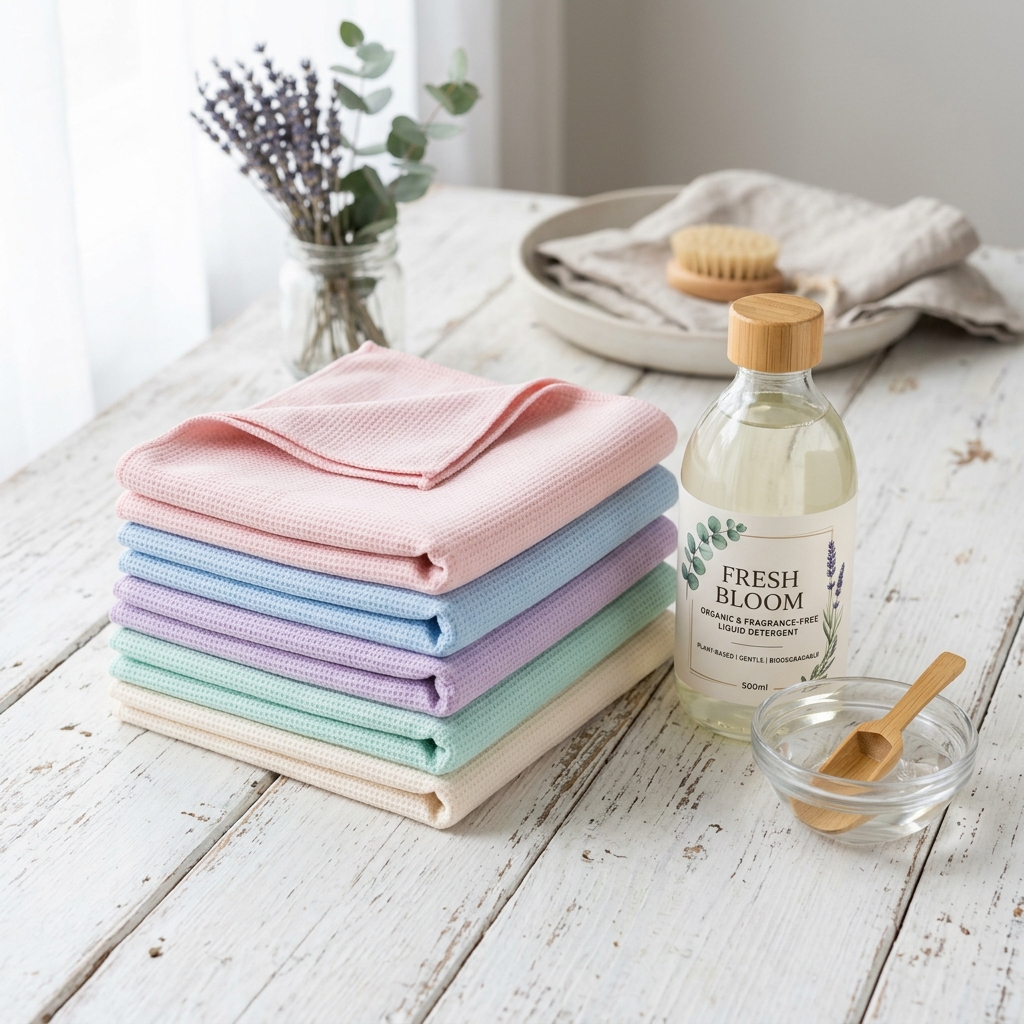
Use a gentle, clear liquid detergent, and use only about half of the recommended amount. Powdered detergents and cheap liquid soaps often fail to rinse out completely, leaving a soapy residue that reduces friction. Avoid laundry detergents that contain bleach, fabric softeners, or heavy synthetic perfumes.
Rule 4: Avoid High Heat
Both polyester and nylon are forms of plastic, and the silicone nubs on skidless towels are heat-sensitive. High water temperatures in the wash or high drying temperatures in the dryer can melt, warp, or weaken these components, causing the nubs to peel off and the microfiber to lose its characteristic ‘tacky’ texture. Always wash in cold or warm water and dry on low heat or air-dry.
2. Step-by-Step Hot Yoga Towel Washing Protocol
For best results, wash your towel immediately after every sweaty practice. Letting a wet towel sit in your yoga bag or hamper for days allows odor-causing bacteria to multiply, leading to a persistent sour smell that is difficult to remove. Here is the step-by-step cleaning process we recommend:
- Pre-Rinse: If you cannot wash the towel immediately, hang it up to dry. Never leave it rolled up. Before throwing it in the machine, give it a good shake to remove any loose hair, dust, or studio floor debris.
- Load the Washer: Place your yoga towels in the machine with other synthetic athletic wear (like polyester leggings and nylon tops). Turn silicone-nubbed towels inside out to protect the dots from rubbing against the washer drum.
- Add detergent and Vinegar: Add a small amount of mild liquid detergent. For an extra boost of disinfection and odor control, pour half a cup of distilled white vinegar directly into the fabric softener compartment. The vinegar acts as a natural deodorizer and breaks down lingering body oils without coating the fibers.
- Set the Cycle: Select a gentle or normal cycle with cold or warm water (never exceeding 100°F). Make sure to select an extra rinse cycle if your machine has one, to ensure all soap is fully washed away.
3. How to Dry Your Yoga Towel Safely
Drying is the stage where most damage occurs. To keep your towel’s grip intact, choose one of these two safe drying methods:
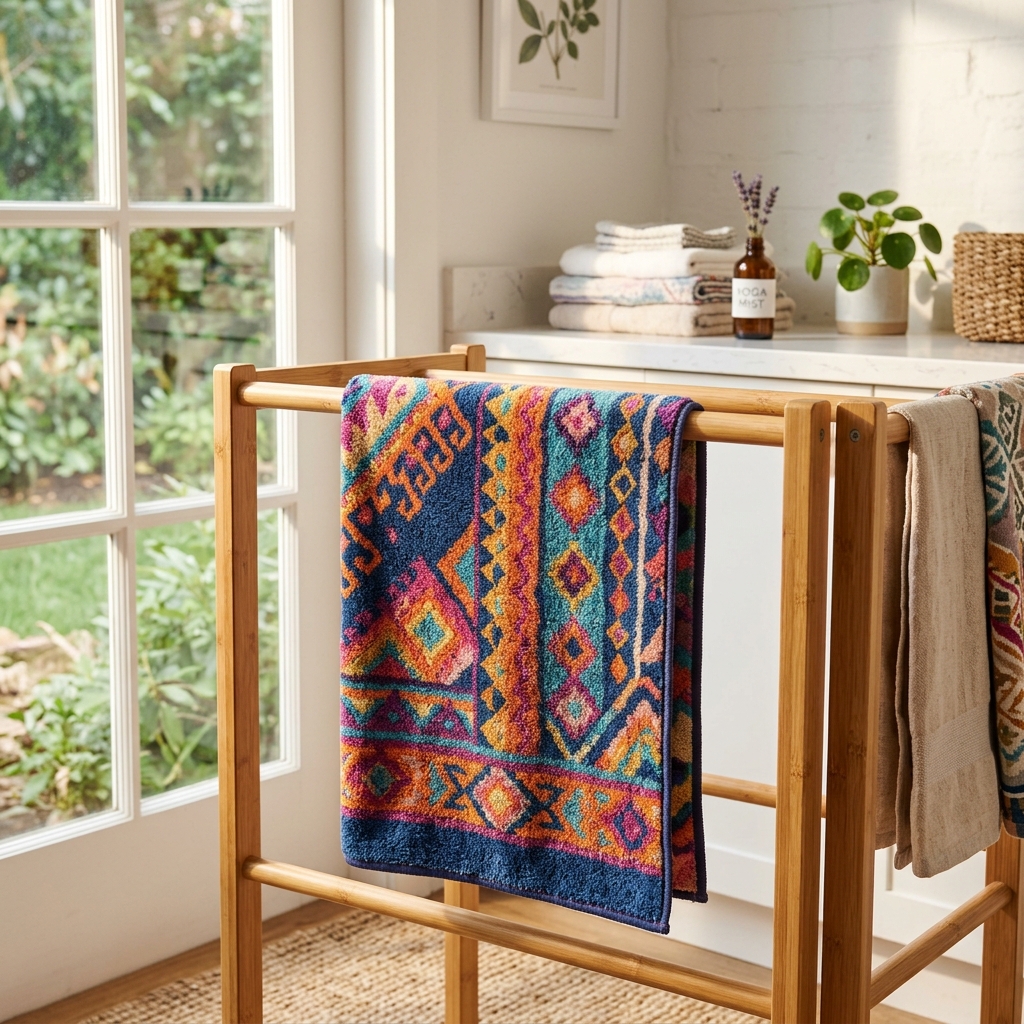
- Air Drying (Best Method): Microfiber is designed to dry incredibly fast. Simply hang the towel over a drying rack, shower rod, or outdoor clothesline. In a warm room, a quality microfiber towel will dry completely in less than two hours. This is the absolute best way to preserve the silicone nubs and microfiber grip.
- Tumble Dry on Low Heat (Alternative): If you must use a dryer, set it to the lowest heat setting or the ‘air fluff’ cycle. Do not use dryer balls (which can wear down silicone nubs) or dryer sheets. Remove the towel immediately when the cycle ends to prevent static electricity from drawing lint to the fabric.
4. Restoring Lost Grip: The Stripping Technique
If you’ve accidentally used fabric softener, or if your towel has lost its grip over time due to detergent build-up, do not throw it away. You can easily strip the residue and restore its tackiness using a simple vinegar and baking soda wash:
Run your yoga towel through a warm wash cycle with one cup of distilled white vinegar and no detergent at all. Once that cycle finishes, keep the towel in the machine and run it a second time with half a cup of baking soda (again, no detergent). The chemical reaction between the acid (vinegar) and base (baking soda) strips away all soap scum, fabric softener build-up, and body oils trapped in the fibers. Your towel will emerge smelling fresh and with its original high-friction grip fully restored.
Yoga Towel Care Comparison Table
To summarize, here is a quick guide comparing the correct care steps for different towel materials:
| Towel Material | Washing Temp | Drying Method | Detergent Type | Grip Restoration Tip |
|---|---|---|---|---|
| Silicone-Nubbed Microfiber | Cold / Warm (Inside Out) | Line Dry (Recommended) or Low Dryer | Mild Liquid (Half Dose) | Vinegar wash to strip body oils |
| Smooth Suede Microfiber | Cold / Warm | Line Dry or Low Dryer | Mild Liquid (Half Dose) | Vinegar and baking soda stripping |
| Plush Waffle Microfiber | Cold / Warm | Low Tumble Dry | Mild Liquid (Half Dose) | Extra rinse cycle to clear soap |
| Cotton Towels (Not Recommended) | Hot / Warm | Medium / High Tumble Dry | Standard Detergent | Avoid softeners to retain absorbency |
Frequently Asked Questions About Yoga Towel Care
How do we train studio staff to wash rental hot yoga towels to prevent them from smelling musty?
In our studios, we train our staff to immediately transfer damp towels from the rental bins into the washing machine or hang them over racks so they never sit crumpled. We run a sanitizing warm cycle with a neutral liquid detergent and half a cup of white vinegar, followed by a thorough low-heat drying cycle to eliminate mustiness.
Why does fabric softener ruin the damp-activated grip of a microfiber yoga towel?
Fabric softeners deposit a thin, wax-like coating of silicone chemicals over the fabric to make it feel soft. This coating clogs the micro-capillary channels of the polyester-nylon blend, preventing water from being absorbed. Since microfiber relies on moisture absorption to create a tacky friction grip, the chemical coating makes the towel extremely slick.
Can you wash silicone-nubbed skidless towels in a washing machine with other clothes?
Yes, but only if those clothes are made of similar synthetic athletic fabrics (like polyester, nylon, or spandex) and have no zippers or buttons that could snag the towel. You must never wash skidless towels with cotton items (like t-shirts or cotton socks) because the microfiber will grab the cotton lint, clogging the weave and reducing traction.
How often should a daily hot yoga practitioner wash their towel to prevent bacterial growth?
A hot yoga towel must be washed after every single class. The combination of sweat, body oils, shed skin cells, and the high humidity of the studio creates a perfect breeding ground for bacteria and fungi. Practicing on a dirty towel can lead to skin breakouts, ringworm, athlete’s foot, and persistent bad smells.
Medical Disclaimer: The information in this article is for educational and informational purposes only. Practicing hot yoga increases cardiovascular strain and core temperature. Consult a medical professional before starting home hot yoga if you have heart conditions, blood pressure issues, autonomic nervous disorders, or if you are pregnant. Exit the heated room immediately if you experience dizziness, nausea, or lightheadedness.
Ready to Start Your Training?
Become a certified Hot Yoga teacher today. Explore our flexible training programs.