
How to Keep a Hot Yoga Room Smelling Fresh: The Ultimate Studio Guide
Walk into any hot yoga studio, and you are immediately greeted by a wall of heat, humidity, and intense energy. But for many studio owners and instructors, there is another greeting they desperately want to avoid: the damp, sour, and stale smell of built-up sweat.
In a room heated between 95°F and 105°F with humidity levels pushing 40% to 60%, sweating is both a feature and a guarantee. However, when dozens of bodies sweat profusely in a confined space day after day, organic compounds build up on floors, walls, mats, and in the air. Standard cleaning methods often fall short, leaving behind a persistent odor that can deter students and damage your studio’s reputation.
If you are wondering how to keep a hot yoga room smelling fresh, the answer lies in a comprehensive, scientific approach. In this guide, we will break down the chemistry of hot yoga odor, and outline the five essential pillars of studio hygiene: advanced ventilation, deep-cleaning protocols, mat maintenance, aromatherapy, and student hygiene guidelines.
The Chemistry of Hot Yoga Odor: Why Standard Cleaning Fails
To solve the problem of a stubborn hot yoga room smell, we must first understand what causes it. Sweat itself is mostly water and salt, and is virtually odorless when it first leaves the body. The culprit is not the sweat itself, but the bacteria that feed on it.
Human sweat contains lipids, proteins, and urea. In a heated, humid room, skin microbes—primarily Brevibacterium, Staphylococcus, and Corynebacterium—find their absolute paradise. According to microbiological research published in the National Institutes of Health (NIH) databases, these bacteria break down sweat components into volatile organic compounds (VOCs). These VOCs, such as isovaleric acid, are what produce the sour, vinegar-like, or ammonia-like smell associated with sweaty gym gear.
Furthermore, standard cleaning fails because of the surfaces involved. Yoga studios are filled with porous materials. When moisture-laden air cools down, sweat droplets deposit on walls, mirrors, and flooring. If your studio has any open-cell materials (like drywall, carpet, or standard foam mats), it behaves like an organic sponge, trapping moisture and bacteria deep within the fibers where surface wipes cannot reach.
To successfully deodorize a yoga studio, you must stop treating the symptoms and start targeting the environment that allows these microbes to multiply.
Pillar 1: Hot Yoga Studio Ventilation & HVAC Optimization
The single most critical factor in controlling odor is air exchange. Without proper hot yoga studio ventilation, you are simply recirculating stale, moisture-rich air. This not only concentrates odors but also creates a breeding ground for mold and mildew.
Air Exchange Rates and Standards
According to the American Society of Heating, Refrigerating and Air-Conditioning Engineers (ASHRAE) Standard 62.1, sports and exercise facilities require significantly higher outdoor air ventilation rates than standard commercial spaces. For a hot yoga studio, you should target at least 6 to 10 air changes per hour (ACH).
This means all the air in the room is completely replaced with fresh, filtered outdoor air every 6 to 10 minutes. Achieving this requires a dedicated commercial HVAC system equipped with fresh air intakes, rather than a residential-grade split system that merely cools or heats recycled air.
Relative Humidity (RH) Target Management
Humidity is essential for hot yoga because it prevents sweat from evaporating too quickly, which helps keep the muscles warm and joints lubricated. However, high humidity post-class is your worst enemy.
- During Class: Maintain Relative Humidity (RH) between 40% and 50%.
- Post-Class Purge: Immediately after class ends, run a “purge cycle.” The HVAC system should pull fresh outdoor air and exhaust the humid air, dropping the RH below 50% within 15 minutes.
- Off-Hours: During the night or between classes, maintain the room at a dry 40% RH to dehydrate any remaining bacteria and mold spores.
Energy Recovery Ventilators (ERVs)
Heating fresh outdoor air up to 105°F constantly can lead to astronomical utility bills. To mitigate this, high-end studios install Energy Recovery Ventilators (ERVs). An ERV captures the heat from the stale air being exhausted and transfers it to the fresh incoming air. This keeps the room hot and fresh while reducing heating costs by up to 70%.
Additionally, ensure your HVAC filters are rated MERV 13 or higher, and incorporate carbon pre-filters. Active carbon is highly porous and chemically binds to VOCs and odor molecules, scrubbing them from the air stream before it is blown back into the room.
Pillar 2: Deep Cleaning Surfaces and Flooring Protocols
Air filtration is only half the battle. Sweat droplets, skin cells, and hair land on every flat surface in the room. If these surfaces are not thoroughly disinfected, they will continue to emit odors even if your HVAC system is excellent.
Choosing the Right Flooring
If you are designing a studio or looking to remodel, flooring is your most important decision. Never use carpet or standard wood laminate. Carpet acts as a massive microbial trap, and laminate will warp under extreme humidity. Instead, opt for:
- Sealed Cork Flooring: Cork is naturally antimicrobial and water-resistant. However, it must be sealed with a high-durability polyurethane coat every 12 to 18 months to remain non-porous.
- Commercial-Grade Sheet Vinyl: Sports vinyl flooring with heat-welded seams is the gold standard. It is completely non-porous, waterproof, easy to mop, and can withstand harsh sanitizers.
Disinfection vs. Sanitizing: The Daily Routine
Many studios make the mistake of using mild natural sprays (like diluted lavender water) as their primary cleaner. While these smell nice, they do not kill bacteria. You must use an EPA-registered hospital-grade disinfectant to truly clean the room.
However, avoid high-VOC chemicals like bleach or ammonia. When heated, these chemicals release toxic fumes that can severely irritate the lungs of students practicing deep pranayama breathing. Instead, use hydrogen peroxide-based or citric acid-based disinfectants. These break down into harmless oxygen and water, have no chemical odor, and kill 99.9% of bacteria and viruses within a 5-minute contact time.
Daily Surface Checklist:
- Mop the Floor: Use a flat microfiber mop with a hydrogen peroxide disinfectant after the final class of the day. Microfiber traps bacteria much better than traditional string mops.
- Wipe Down Walls & Mirrors: Sweat splatters on mirrors and walls. Wipe them down with a damp microfiber cloth daily.
- Sanitize High-Touch Zones: Door handles, light switches, cubbies, and thermostats should be wiped with disinfectant wipes.
Pillar 3: The Ultimate Yoga Mat & Prop Hygiene Routine
Even if your room is spotless, the collective odor of fifty dirty yoga mats will overpower any ventilation system. Yoga mats are the primary source of organic buildup in a studio. Sweat, body oils, and skin cells are ground into the mat surface during every Chaturanga.
Open-Cell vs. Closed-Cell Mats
To implement an effective yoga mat cleaning routine, you must understand the two main types of mats:
- Open-Cell Mats: These mats behave like sponges. They absorb sweat to provide a non-slip grip. While they are great for traction, they trap sweat, bacteria, and oils inside the core of the mat. Over time, they become impossible to deodorize fully without submerging them in a bath.
- Closed-Cell Mats: These mats repel moisture. Sweat pools on top rather than sinking in. They are far more hygienic and easier to clean, but they require a towel to prevent slipping.
For example, in our detailed Manduka PRO Yoga Mat Review, we discuss how its closed-cell construction completely seals out moisture, preventing the build-up of bacteria. Similarly, the unique folding design reviewed in our Stakt Foldable Yoga Mat Pro Review features a highly hygienic, easy-to-wipe closed-cell EVA surface that prevents sweat absorption.
Studio Rental Mat Protocol
If your studio rents mats to students, you must enforce a strict sanitation protocol. Simply spraying them with a spray bottle and wiping them down is not enough.
Recommended Rental Mat Protocol:
- After each use, spray the rental mat thoroughly with a botanical disinfectant (such as Benefect or thymol-based sprays) that requires no rinsing.
- Allow the disinfectant to sit for the manufacturer’s recommended contact time (usually 3 to 10 minutes) before wiping.
- Hang the mats on a drying rack with space between them. Never roll up a damp mat; doing so locks in moisture and guarantees mold growth.
- Once a week, scrub rental mats with a soft brush and a mild dish soap solution, rinse them thoroughly, and hang them to dry completely under a fan.
Pillar 4: Natural Aromatherapy and Diffuser Solutions
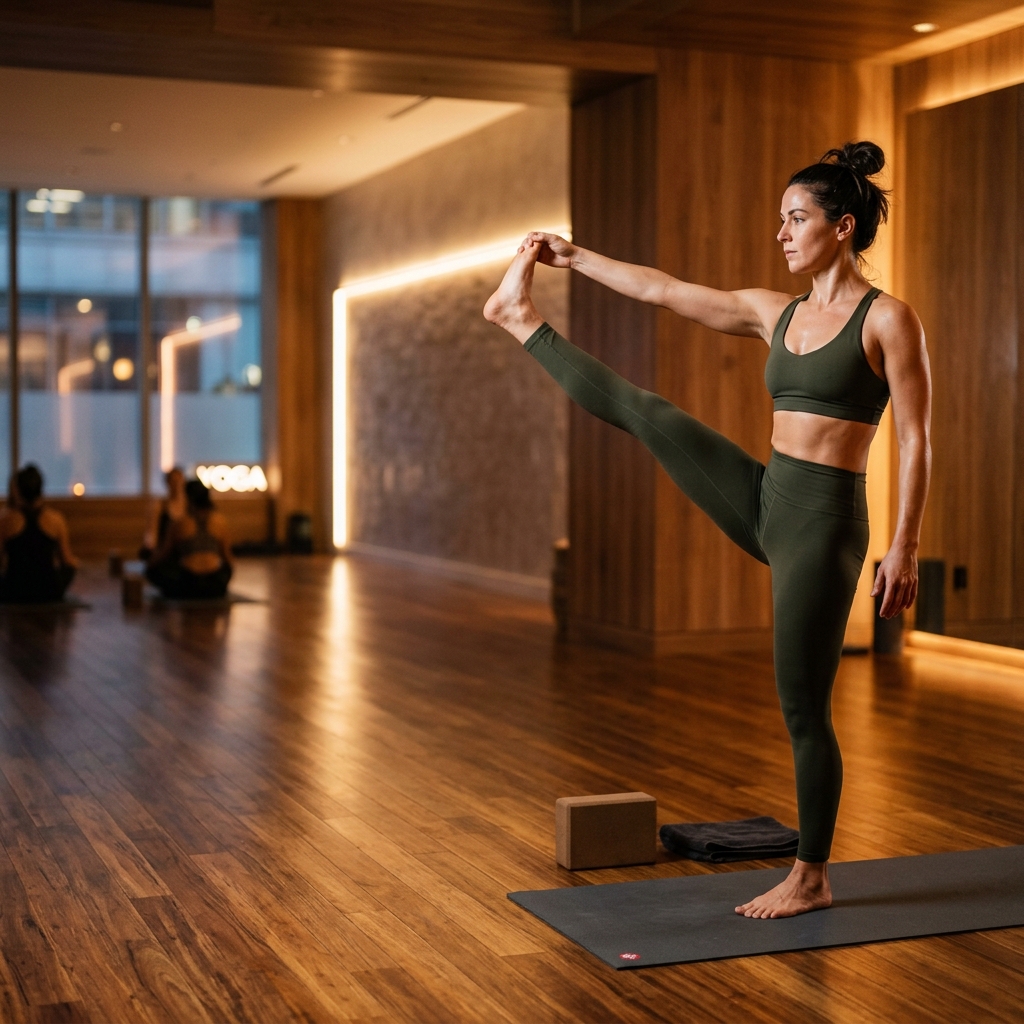
Once you have addressed the structural cleanliness of the air and surfaces, you can introduce natural scents to create a refreshing sensory experience. However, the goal is not to mask odors with heavy artificial fragrances, but to complement a clean room with subtle aromatherapy.
Choosing the Right Essential Oils
Avoid synthetic plug-ins, aerosols, or chemical air fresheners. In a hot, humid room, these chemicals evaporate quickly and can cause respiratory irritation or allergic reactions in students doing deep breathing. Instead, use 100% pure, therapeutic-grade essential oils. Several oils possess natural antibacterial and antifungal properties that help clear the air:
- Eucalyptus Oil: Contains cineole, which has powerful antimicrobial properties and helps open up the respiratory passages. It provides that classic, fresh “spa” aroma.
- Tea Tree Oil: A well-known natural antifungal and antibacterial agent. It is excellent for neutralizing airborne bacteria.
- Lemongrass Oil: Has a bright, clean, citrusy scent that is highly effective at neutralizing sour odors.
- Peppermint Oil: Provides a cooling sensation in a hot room and helps boost mental focus and energy.
- Lavender Oil: Best for evening or restorative classes, as it promotes relaxation and stress reduction.
Active Diffuser Placement
Use high-capacity ultrasonic diffusers designed for large rooms. Place them near the HVAC return vents so the scent is distributed evenly throughout the space. Run the diffusers for 15 to 30 minutes before class starts, and turn them off during class to ensure the scent remains subtle and not overpowering.
Pillar 5: Student Hygiene & Apparel Standards
You can clean your studio continuously, but if students bring dirty gear into the room, the odor will persist. Educating your community on hygiene is a vital component of yoga studio odor control.
Apparel Standards
Encourage your students to wear high-performance synthetic fabrics (like nylon and polyester blends) rather than heavy cotton. As detailed in our guide on what to wear to hot yoga, cotton holds onto sweat, making it heavy, soggy, and highly prone to developing a sour odor. Synthetics wick moisture away, helping students stay cool and reducing the amount of sweat that drips onto the studio floor.
If you have beginners who are unsure about how to prepare, direct them to our comprehensive guide on hot yoga for beginners, which covers hydration, clothing, and etiquette.
The Towel Rule
Enforce a strict policy requiring towels in the hot room. A high-quality microfiber yoga towel placed over the mat absorbs the majority of sweat before it can pool on the mat or splash onto the floor. Have extra towels available for rent or purchase at the front desk for students who forget theirs.
Prop Maintenance
If your studio provides blocks, straps, or bolsters, ensure they are made of non-porous materials. EVA foam blocks are closed-cell and can be wiped down easily. Cork blocks are also a good option due to cork’s natural antimicrobial properties. Avoid fabric straps or cushions unless they have removable, washable covers that are laundered weekly.
Odor Control Methods Comparison
To help you prioritize your studio’s investments, here is a comparison of the most common odor control methods:
| Method | Cost | Effectiveness | Frequency | Primary Benefit |
|---|---|---|---|---|
| Commercial HVAC / ERV | High ($5,000+) | Very High | Continuous | Controls moisture, provides fresh air, prevents mold. |
| MERV 13 + Carbon Filters | Low ($50 – $150) | Medium-High | Every 2-3 months | Scrubs volatile organic compounds (VOCs) and odor molecules. |
| EPA-Registered Disinfectant | Low ($30/month) | High | Daily | Kills bacteria on floors and walls that feed on sweat. |
| Rental Mat Protocol | Low (Staff time) | High | Post-class | Prevents bacteria from breeding on shared studio gear. |
| Ultrasonic Essential Oil Diffusers | Medium ($100 – $300) | Medium (Masking/Spa feel) | Pre-class | Creates a refreshing sensory experience and spa-like atmosphere. |
Frequently Asked Questions
How do you get the sweat smell out of a hot yoga room?
Getting the sweat smell out requires a two-step process: scrubbing the surfaces and scrubbing the air. You must mop floors and wipe walls daily with a non-toxic, EPA-registered disinfectant (like hydrogen peroxide) to kill odor-causing bacteria. Concurrently, you must run an HVAC system with active carbon filtration to remove airborne odor molecules (VOCs) and maintain relative humidity below 50% between classes to dry out microbes.
Can I use vinegar to clean hot yoga rooms?
Yes, vinegar (acetic acid) is excellent for neutralizing alkaline odors (like ammonia in sweat) and breaking down body oils. However, vinegar is not an EPA-registered disinfectant and will not kill all pathogens (like staph or viruses). Use a 50/50 white vinegar and water solution for spot-cleaning mats and mirrors, but use a commercial hydrogen peroxide disinfectant for floors and rental equipment.
How often should a hot yoga studio run its ventilation system?
The ventilation system should run continuously during business hours. During classes, it should maintain steady air circulation. Immediately after each class, run a high-speed “exhaust purge” for 15 minutes to pull out humid, stale air. During off-hours, keep the system on a low-speed dehumidification cycle to keep the room dry.
What are the best essential oils for hot yoga odor control?
The best essential oils are eucalyptus, tea tree, lemongrass, and peppermint. Eucalyptus and tea tree have natural antibacterial properties and help purify the air while providing a clean, spa-like scent. Lemongrass is excellent at neutralizing sour smells, and peppermint adds a crisp, cooling element to the room.
Do closed-cell yoga mats smell less than open-cell mats?
Yes, closed-cell mats smell significantly less over time. Because they are completely sealed, sweat and skin oils cannot penetrate the surface. The moisture pools on top and can be wiped away completely. Open-cell mats absorb sweat like a sponge, trapping bacteria deep inside the core where it is difficult to clean, leading to a persistent sour smell.
Establishing a Fresh Studio Culture
Keeping a hot yoga room smelling fresh is not a one-time task; it is an ongoing commitment to hygiene, ventilation, and community education. By optimizing your HVAC system, enforcing strict cleaning schedules for floors and mats, and educating your students on proper apparel and towel usage, you can create a clean, healthy, and inviting space.
A fresh studio not only enhances the student experience but also reflects the professionalism of your brand. Invest in the right ventilation, stick to your cleaning protocol, and let the pure, natural scents of essential oils welcome your students to their practice.
Medical Disclaimer: The information in this article is for educational and informational purposes only. It is not intended as medical or professional health advice. If you are a studio owner or instructor, ensure all cleaning protocols comply with local health regulations and EPA guidelines. Instruct students to consult a physician before practicing hot yoga if they have underlying health conditions.
Ready to Start Your Training?
Become a certified Hot Yoga teacher today. Explore our flexible training programs.